Bar-Ilan Hackathon Puts Rare Disease Families at the Center of Home Technology
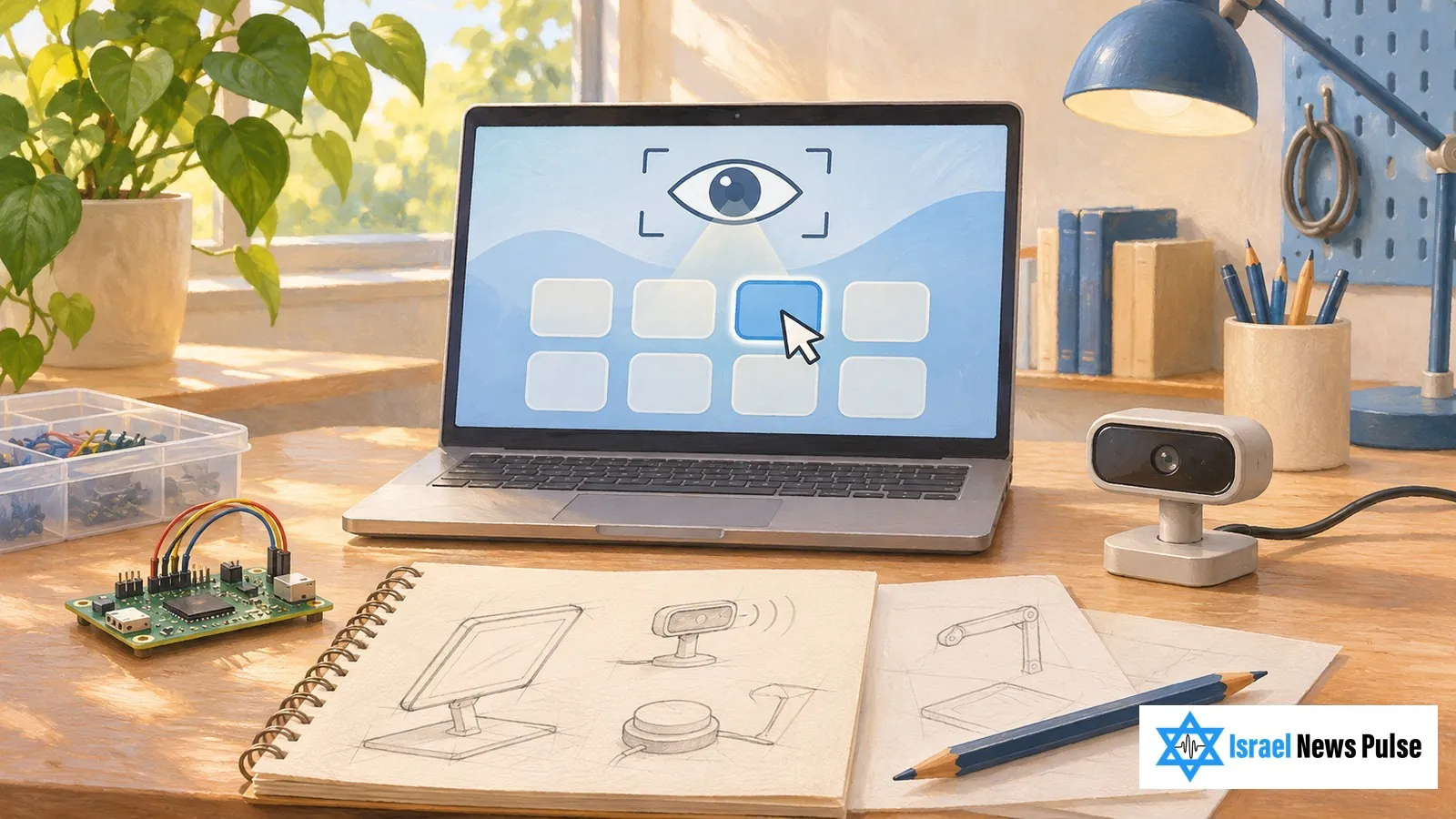
Bar-Ilan University’s 1 of a Kind hackathon is scheduled to conclude on November 20 after two days devoted to technology for everyday life with rare diseases. Its brief starts with eight challenges identified with families and treating physicians.
A useful device at home has to fit the person using it. That is the practical test behind the program at the university’s Faculty of Engineering in Ramat Gan: students are asked to work from specific needs, with families and doctors involved in judging whether an idea would actually help.
The university’s published plan concerns children with ataxia telangiectasia, known as A-T, and girls with Rett syndrome. It describes a development exercise, with a possible route towards prototypes and pilots. It adds to a busy month for Israeli medical research, after Ichilov signed a cancer research agreement with the Czech Masaryk Institute.
Eight Challenges, Small Teams
According to Bar-Ilan, the challenges include detecting changes in breathing at home, identifying seizures, preventing falls and supporting communication through eye movements.
The program assigns three or four participants to each team, with a separate challenge for each group. The emphasis is on something that can be operated simply in a home environment. That requirement puts usability alongside technical ambition: an elaborate concept still needs to make sense to the people expected to live with it.
Families Help Shape the Work
Professional mentors are part of the planned support, alongside physicians and relatives who can explain everyday needs and give feedback. Their role is especially relevant where a design decision affects how a person communicates or how much assistance a family member must provide.
The initiative brings together Bar-Ilan’s engineering faculty and its computer science and artificial intelligence department with the A-T Disease Association, in collaboration with the Rett Syndrome Association. A public call by Yossi Ben Zion also sought mentors in software, hardware, sensors, robotics, image processing and product development. It requested attendance on Thursday, with Friday participation optional. The hackathon follows days after DeepTech Week TLV opened with five days of science and industry events.
What Can Follow the Two Days
Bar-Ilan says winning projects will receive funding for hardware or software and may continue with professional support, prototype development and work towards a pilot.
Who Could Take Part
The university lists November 19 and 20 for the hackathon. Its advance participation rules required an application, a suitability questionnaire and organizer approval, even though the event was free.
The advance eligibility rules also allowed first year students with a technological background. Prior coding experience and an existing team were not required; individual applicants could be placed in teams by the organizers.