How to Drive Safely in Israel: A Practical Guide for Residents and Visitors
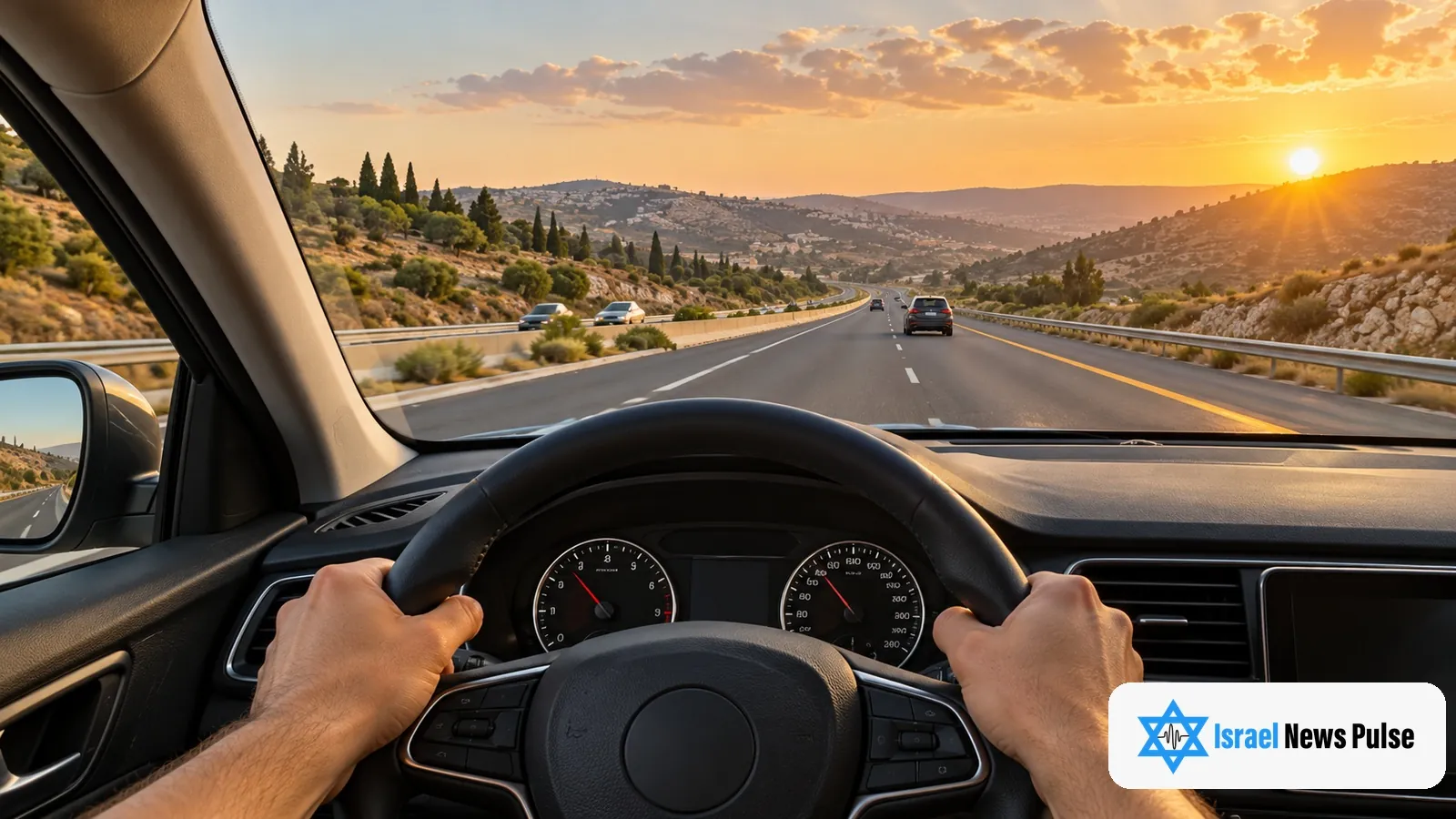
Leave room to react, prepare the car before setting off and adapt to the road ahead. A few deliberate choices matter more than keeping pace with impatient traffic.
Driving safely in Israel starts with three decisions: choose a speed that suits visibility, leave space ahead and put the phone out of use. These apply equally to a familiar commute and a first drive from the airport. The Central Bureau of Statistics recorded 459 road deaths in 2025, its latest complete year of final figures verified for this guide.
Give yourself time to react
Follow posted speed limits, but slow further when visibility or grip deteriorates. The National Road Safety Authority recommends at least two seconds behind the vehicle ahead, with more space in poor conditions. Watch it pass a fixed landmark, then count before reaching the same point. A gap that disappears whenever someone changes lanes needs rebuilding, not defending.
On Route 6 and other major roads, read exit signs early. Signal before changing lanes, check mirrors and the blind spot, and merge only into a safe gap. If you miss an exit, continue to the next one. Sudden braking or cutting across lanes turns a navigation error into a danger for everyone behind.
At night on intercity roads, drive at a pace that lets you respond within the distance you can see. Do not begin an overtake without clear visibility and sufficient space to complete it safely. Another driver's impatience is no reason to accelerate.
Keep attention inside the driving task
Israel Police guidance prohibits holding a phone while the vehicle is moving and allows calls only through hands free equipment; reading or sending text messages is prohibited. Set navigation before departure. If a route needs changing, ask a passenger or stop in a proper parking place. A phone mount does not make a distracting task safe.
Everyone should be belted before the car moves, including rear passengers. Use an appropriate child restraint and check its fit before departure. Police guidance stresses that airbags do not replace seat belts. Keep luggage secured so it cannot slide into the driver's space.
In town, scan for pedestrians, motorcycles, bicycles and electric scooters before turning or opening a door. Slow near crossings and parked vehicles that hide a person approaching the road. Follow signs and traffic signals rather than copying another driver's interpretation of priority.
Prepare for rain, darkness and desert distances
From November 1 through March 31, private cars must use headlights on intercity roads even in daylight, according to Transport Ministry guidance. Check the actual light setting before leaving; do not simply assume automatic lights have switched on.
The first rain can leave the road particularly slippery. Allow extra braking room and make steering and speed changes smoothly. Never drive into floodwater or pass a closure barrier. Check weather warnings before desert journeys, even if the sky above the starting point looks clear.
For the Negev and Arava, plan fuel or charging stops and carry drinking water. Choose rest stops before tiredness becomes urgent. If concentration fades, stop somewhere safe and rest or change drivers. A roadside shoulder is not a rest area.
Check visitor documents before collecting a car
Government guidance generally limits driving on a foreign licence to one year from entry, subject to status and eligibility. Confirm the applicable entry date and conditions with the licensing authority, particularly after repeated visits or a change of residency. An international permit does not extend this period or replace a valid domestic licence.
Ask the rental company which original documents and permits it requires, and confirm insurance, authorised drivers and Route 6 billing arrangements. Photograph existing damage and find the light controls before leaving the lot. The Hebrew Israeli car and driving portal Kvishim offers additional local motoring reading.
Make the final check count
Before departure, look for tyre damage, check pressure against the vehicle manufacturer's recommendation and test lights and wipers. Clean the windscreen, adjust mirrors and confirm sufficient fuel or charge. Investigate warning lights before a long journey. Owners can also consult Kvishim's guide to checking vehicle recalls, in Hebrew, when a safety notice may affect their car.
If a breakdown forces an emergency stop, switch on hazard lights, wear a reflective vest and move away from traffic, behind a barrier where safely accessible. Call Police on 100 for an emergency or Magen David Adom on 101 for urgent medical help. Give the road number, direction and nearest identifiable marker.