Ghalibaf Says Iran Will Pursue Military Options to Break US Blockade
Iranian Parliament Speaker Mohammad Bagher Ghalibaf said on Monday that Tehran had military options for breaking the US naval blockade and would pursue them soon. He coupled the warning with an argument for keeping negotiations open.
Ghalibaf has a second role in this dispute. As Iran's chief negotiator in talks with Washington, he has also presented terms for reopening the Strait of Hormuz. For shipowners, the issues overlap: Washington restricts trade with Iranian ports, while Tehran has attached conditions to free passage through the waterway used by other Gulf exporters.
The Speaker's Argument in Tehran
Speaking at a media gathering, Ghalibaf described diplomacy and the use of force as two instruments for deterring an adversary. Talks on their own, he argued, could not end the threat of another war. Fighting on its own could not remove the threats confronting Iran either. The previous day he had warned parliament against treating advocates of negotiation as people willing to surrender.
Iranian Foreign Ministry spokesman Esmaeil Baghaei made the government's position on the blockade explicit at his Monday briefing. Tehran regards the restrictions as an act of military aggression and reserves the right to respond with the means at its disposal, he said.
How the June Understanding Unraveled
Washington first imposed the blockade on April 13. A draft understanding between the United States and Iran brought a pause in June. Iran's account of that arrangement included relief for oil sales, access to frozen assets and limits on its nuclear activities. Those issues linked maritime commerce to negotiations over the wider conflict.
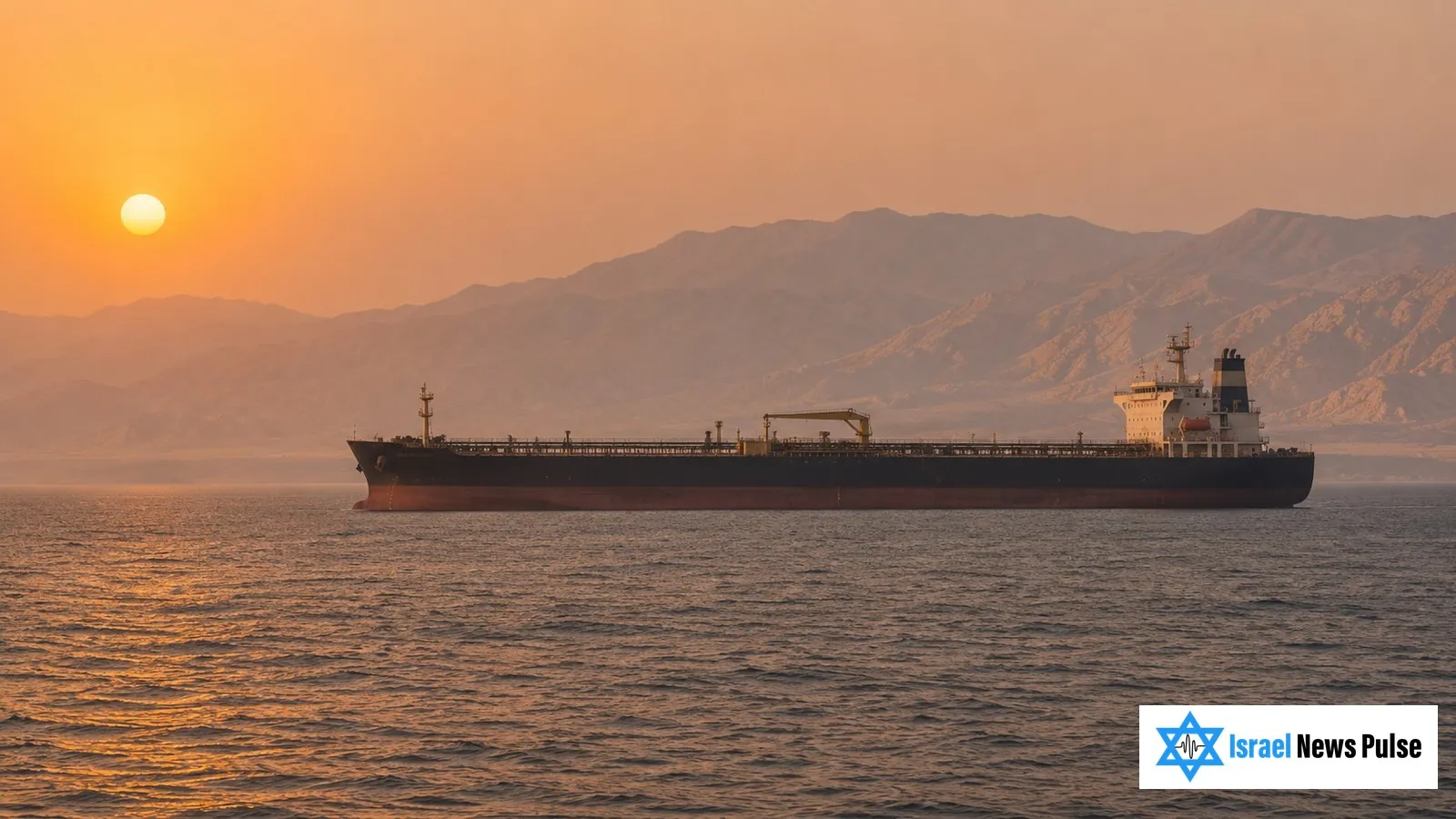
The pause was short. On July 14 the United States restored the blockade after the understanding collapsed. US Central Command described restrictions on vessels entering or leaving Iranian ports. The distinction between that traffic and oil shipped through Hormuz by other producers is central to the figures both governments cite when they discuss the waterway.
On October 25, when its commander, Admiral Brad Cooper, visited Hormuz, Central Command said it had helped Gulf partners export more than 1.5 billion barrels of crude since the summer.
What Tanker Traffic Reveals
Reuters reported that visible Iranian crude exports had fallen close to zero in recent months. TankerTrackers.com subsequently identified a tanker taking on Iranian crude in the Gulf. Baghaei dismissed speculation about the reported loading at his briefing.
Iran has set out its own sequence for reopening the strait. In the proposal relayed through Qatar, Tehran sought action on oil sanctions and the port blockade before taking the next steps on passage. That order of events has been a sticking point in the talks involving Washington and Tehran.
Israel and the Gulf Shipping Dispute
Israel is weighing the possibility of renewed fighting with Iran while Washington considers how much more time to give economic pressure. President Donald Trump told Axios on November 19 that he was in no hurry to decide and would assess the situation after the start of the new year.
Earlier in November, G7 foreign ministers meeting in Paris called for safe passage without fees or discrimination. They backed efforts to protect civilian vessels and condemned Iranian interference with trade.