
The Land of Israel Has Been Home to the Jewish People for 3,200 Years
Follow the evidence from the first inscription naming Israel to a merchant’s household in Safed and a Jerusalem family whose son became president.
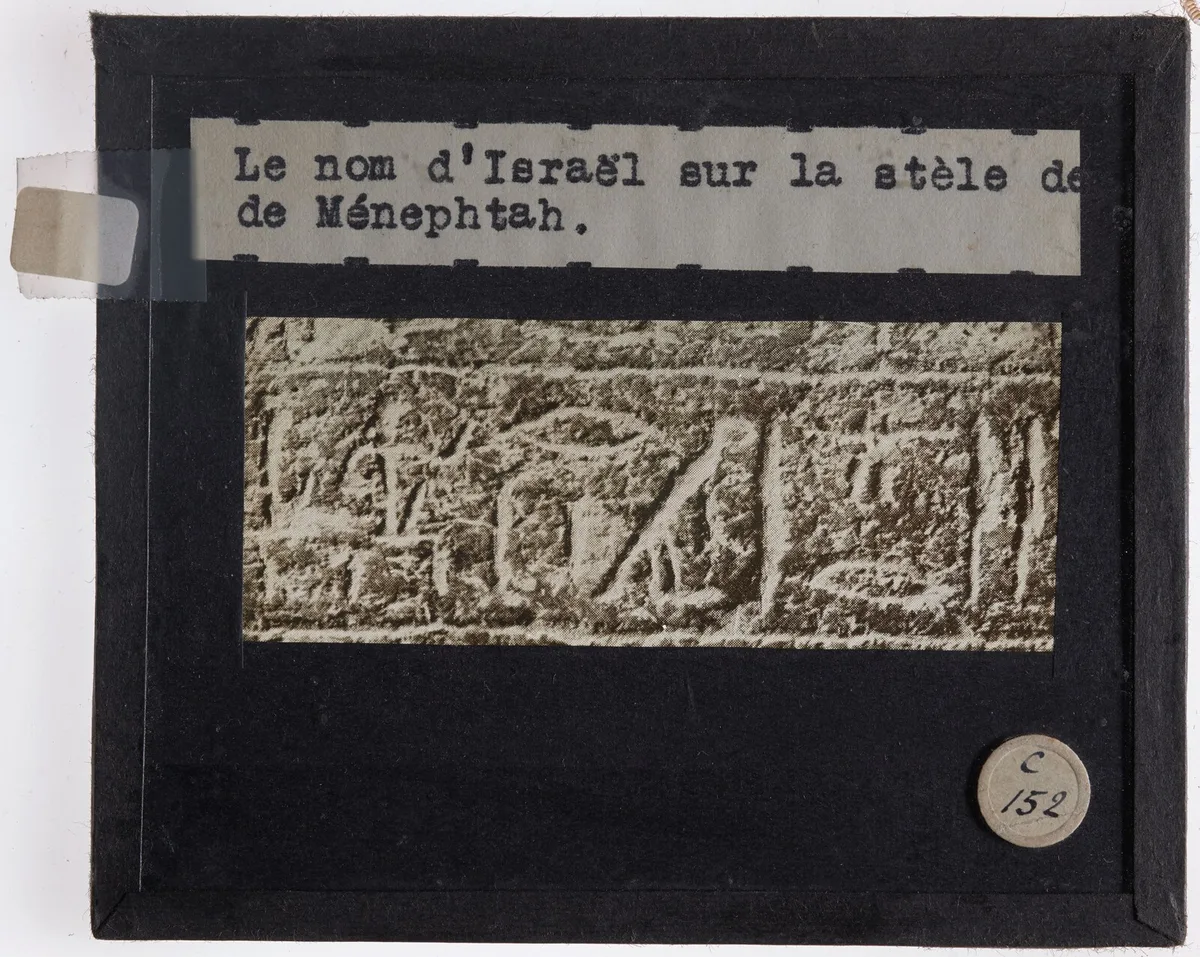
On the 27th line of a granite monument, Pharaoh Merneptah boasted that he had laid Israel waste. It was around 1208 BCE. An Egyptian scribe listing victories in Canaan marked Ashkelon and Gezer with the sign for a city. Beside the name Israel, he carved a man and a woman. The pharaoh was claiming victory over a people. His boast preserves the earliest widely accepted written reference to Israel outside the Bible.
Archaeologist Flinders Petrie found the stone in 1896 in Merneptah’s funerary temple at Thebes, across the Nile from modern Luxor. The Israelites named on it stand at the beginning of a Jewish history in the land that spans some 3,200 years. As far as the historical record shows, there was no period when Jews were completely absent from the land of Israel as a whole. Their numbers fell, kingdoms disappeared, and individual cities lost entire Jewish communities. Even when Jews were barred from Jerusalem, they continued to live elsewhere in the land.
The People in the Highlands
Around 1200 BCE, farming villages began appearing in the highlands of Judea and Samaria. Families built fieldstone houses with pillars to support the roofs. At Izbet Sartah, on the western edge of the hills, villagers dug pits between their houses and lined them with stones to store grain. Archaeological surveys traced some 250 early settlements across hill country that had been sparsely settled for centuries.
Archaeologists associate many of these villages with early Israel because they appeared around the time Merneptah named the people and developed in the heartland of the later kingdoms of Israel and Judah. Much of their pottery followed local Canaanite traditions.
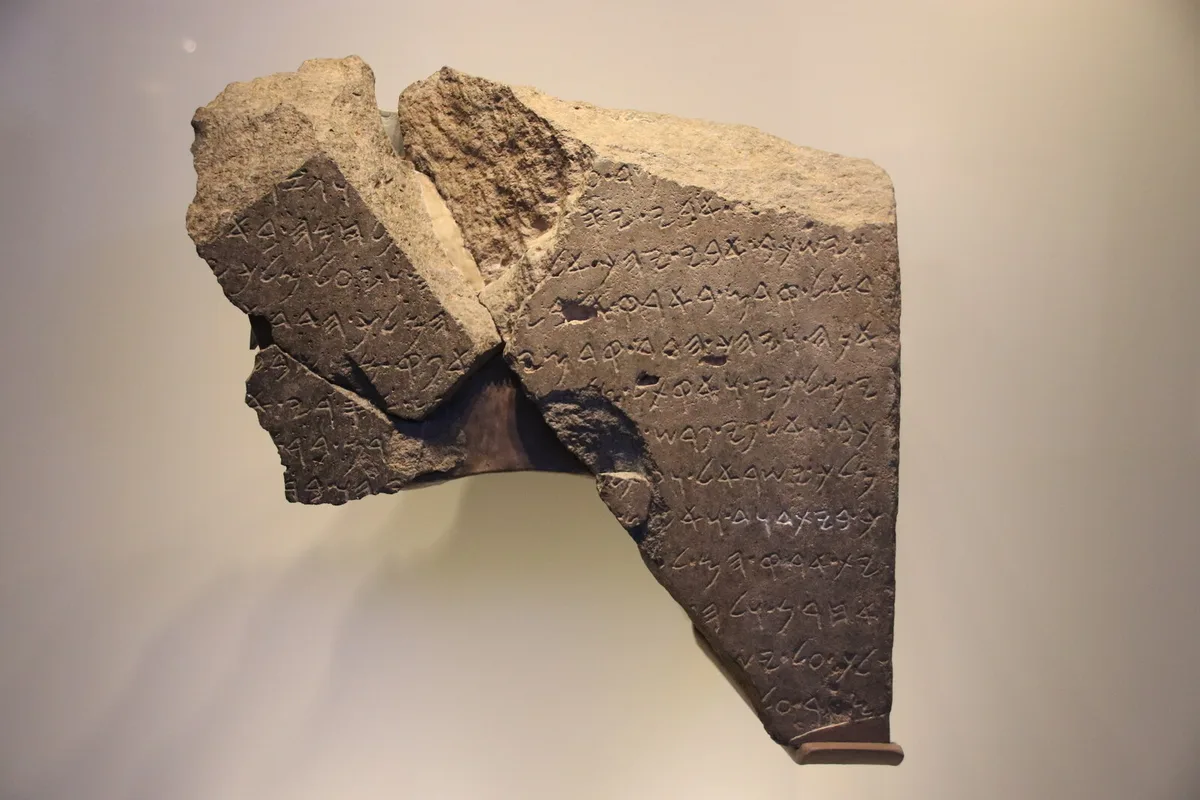
By the ninth century BCE, an Aramean king was boasting of victories of his own. His inscription, found on fragments of basalt at Tel Dan, names the “king of Israel” and the “House of David,” widely understood as Judah’s ruling dynasty. Israelite is the broader early name. A Judahite belonged to the southern kingdom of Judah. The Hebrew name for its people, Yehudim, is the ancestor of the English word Jew. The Tel Dan fragments are now displayed at the Israel Museum in Jerusalem.
Who Stayed When Jerusalem Fell
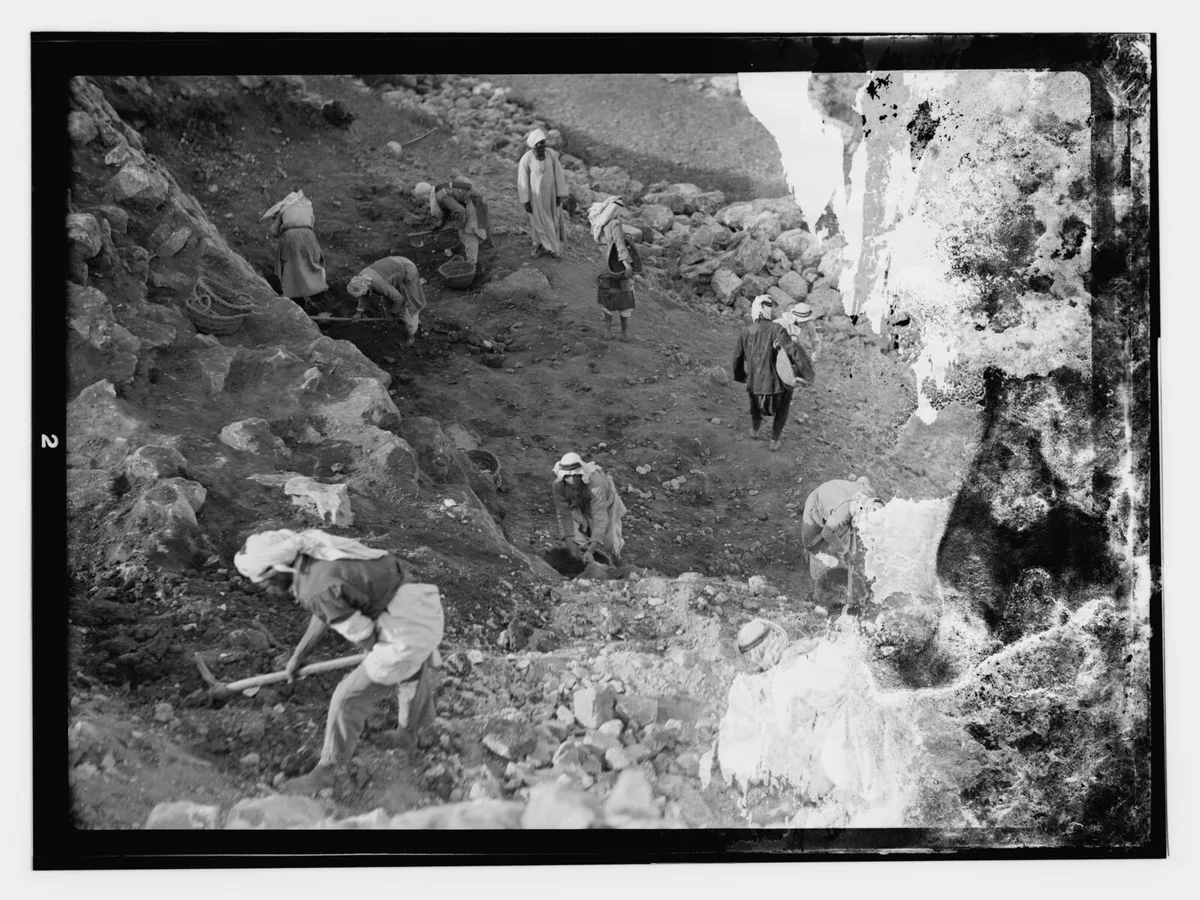
In 586 BCE, the Babylonians destroyed Jerusalem and its First Temple and deported part of Judah’s population. Just north of Jerusalem, at Tell en-Nasbeh, widely identified as ancient Mizpah, archaeologist Jeffrey Zorn traced a large four room house built where a plaza had once led to the town gate. Its back wall blocked the old approach.
Other substantial buildings and stamped storage jar handles date to Mizpah’s years as an administrative center under Babylonian rule. While some Judahite families were making lives in exile, others were building homes within a few hours’ walk of Jerusalem.
Galilee After the Second Temple
The Romans destroyed the Second Temple in 70 CE. The ban on Jews entering Jerusalem followed a later war. During the Bar Kokhba revolt, Jewish rebels stamped an image of the lost sanctuary onto Roman coins. Rome crushed the revolt around 135 CE, and Emperor Hadrian barred Jews from Jerusalem.
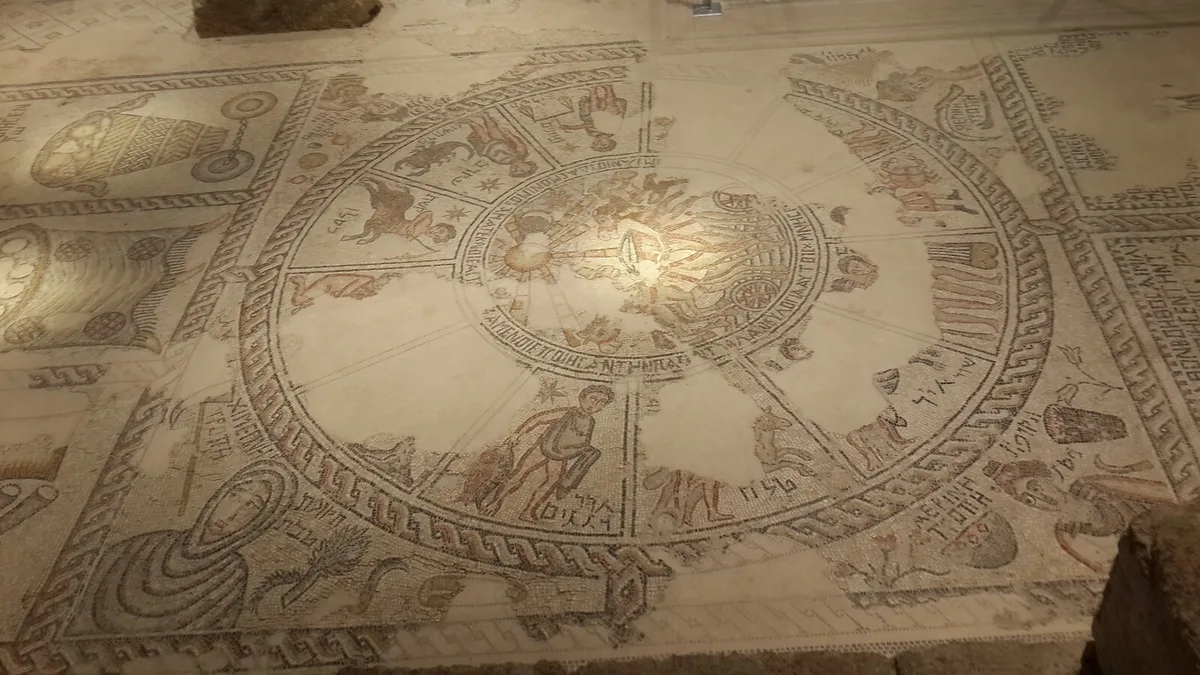
In Galilee, Jewish life continued. At Sepphoris around 200 CE, Rabbi Judah the Patriarch compiled the Mishnah, a collection of Jewish oral law. Later congregations left evidence in their synagogue floors. At Sepphoris, excavators uncovered a mosaic menorah. At nearby Huqoq, a fifth century mosaic depicts Samson’s foxes with torches tied to their tails.
From Galilee to Modern Israel
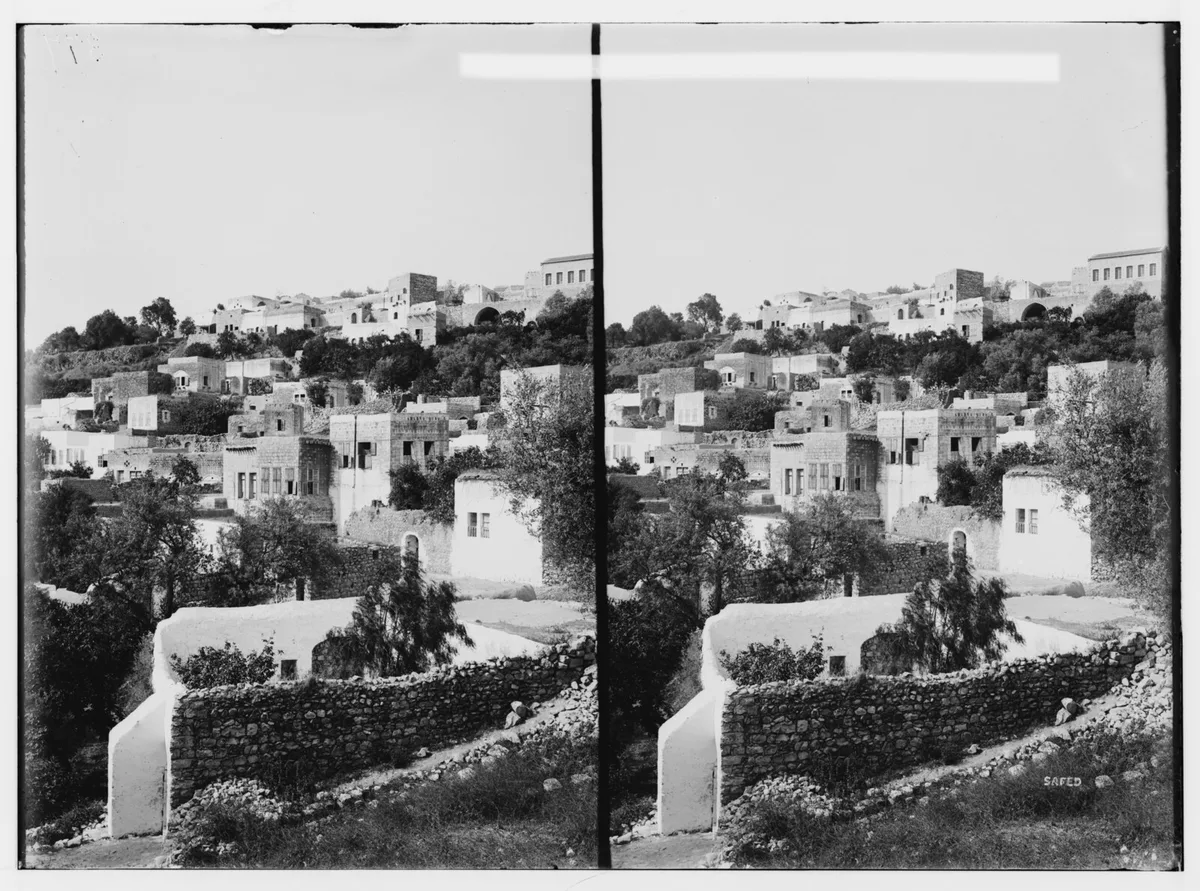
Around 1170, the traveler Benjamin of Tudela reported finding about 200 Jews in Acre and about 50 in Tiberias. He named Abraham the astronomer as one of the Tiberias community’s leaders. By the sixteenth century, Jewish weavers were producing woolen cloth in Ottoman Safed. In the same town, Rabbi Joseph Karo completed the Shulchan Aruch, his code of Jewish law, which printers in Venice published in 1565.
The censuses Sir Moses Montefiore commissioned between 1839 and 1875 recorded individual households. In Safed in 1839, they list Yitzhak Shihrur, a merchant born in Acre, with his wife and two sons. Abraham was fifteen and Rafael was ten. When larger waves of Jewish immigrants began arriving from Eastern Europe and Yemen in the 1880s, they joined communities like the one on that census page. Family researchers can pair records like these with historical newspapers at the National Library of Israel.
On May 14, 1948, David Ben-Gurion declared the establishment of the State of Israel in Tel Aviv. About 650,000 Jews lived in the land on the eve of independence. In the state’s first years, Holocaust survivors arrived from Europe and Jewish families came from Iraq, Yemen and beyond. By the beginning of 2025, Israel’s Central Bureau of Statistics put the country’s Jewish population at 7.2 million.
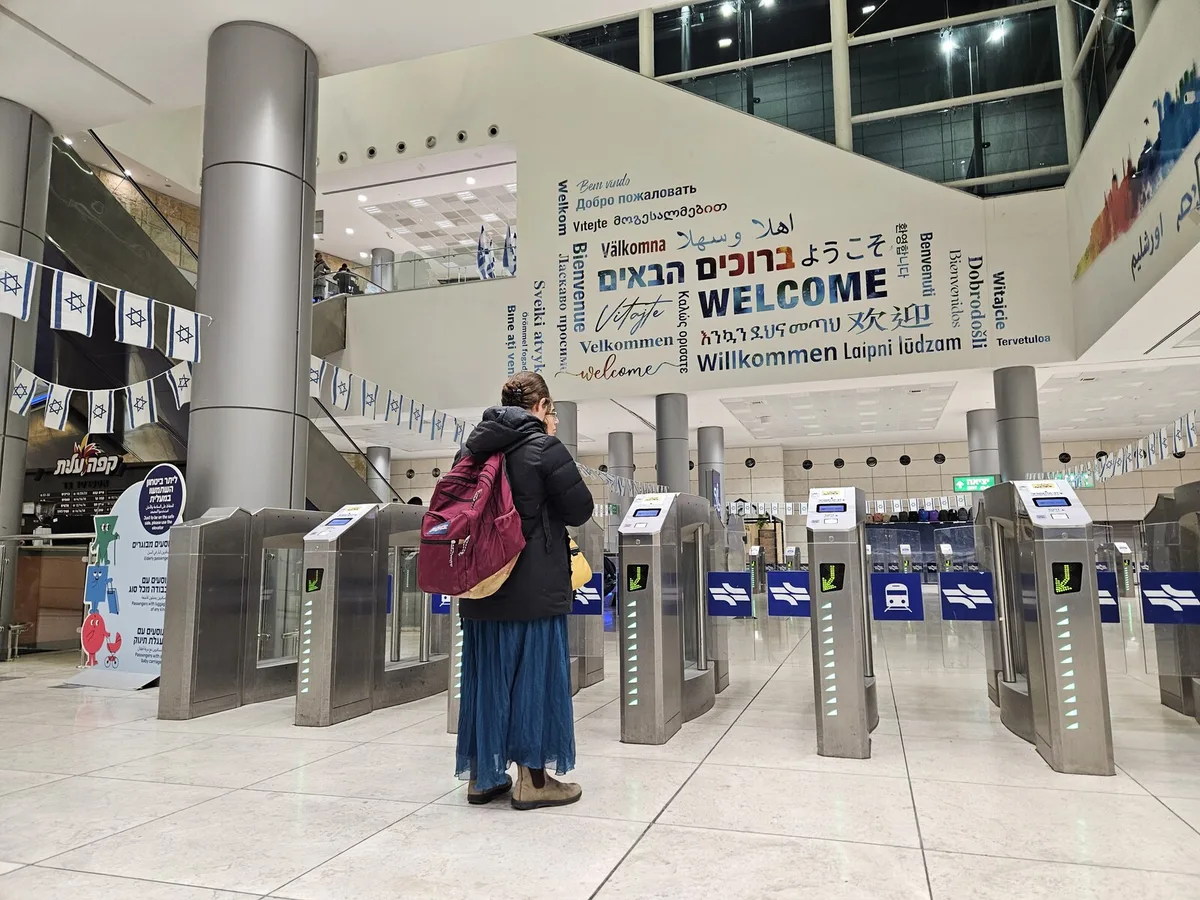
Passengers arriving in Jerusalem by train from Tel Aviv today step off at Yitzhak Navon station. Born in Jerusalem under British rule, Navon became Israel’s fifth president in 1978. His mother’s family had come from Morocco in 1884. His father’s family had settled in Jerusalem in 1670.
When Israel declared independence in 1948, Jews regained sovereignty in a land where generations of their families had lived under other rulers. Some of those families could trace their roots to Jerusalem or Galilee centuries before statehood. Others had come home from across the Jewish diaspora. Their children and grandchildren live in Israel today. More than 3,200 years after Merneptah boasted of defeating a people called Israel, their descendants are still raising families in the land where his inscription placed their ancestors.