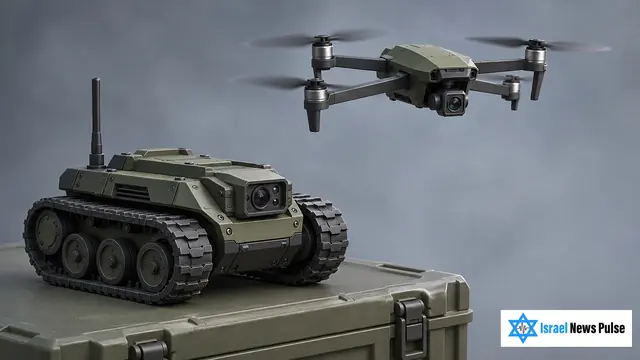
IDF Tests Wearable Drone Detector That Warns Soldiers on the Move
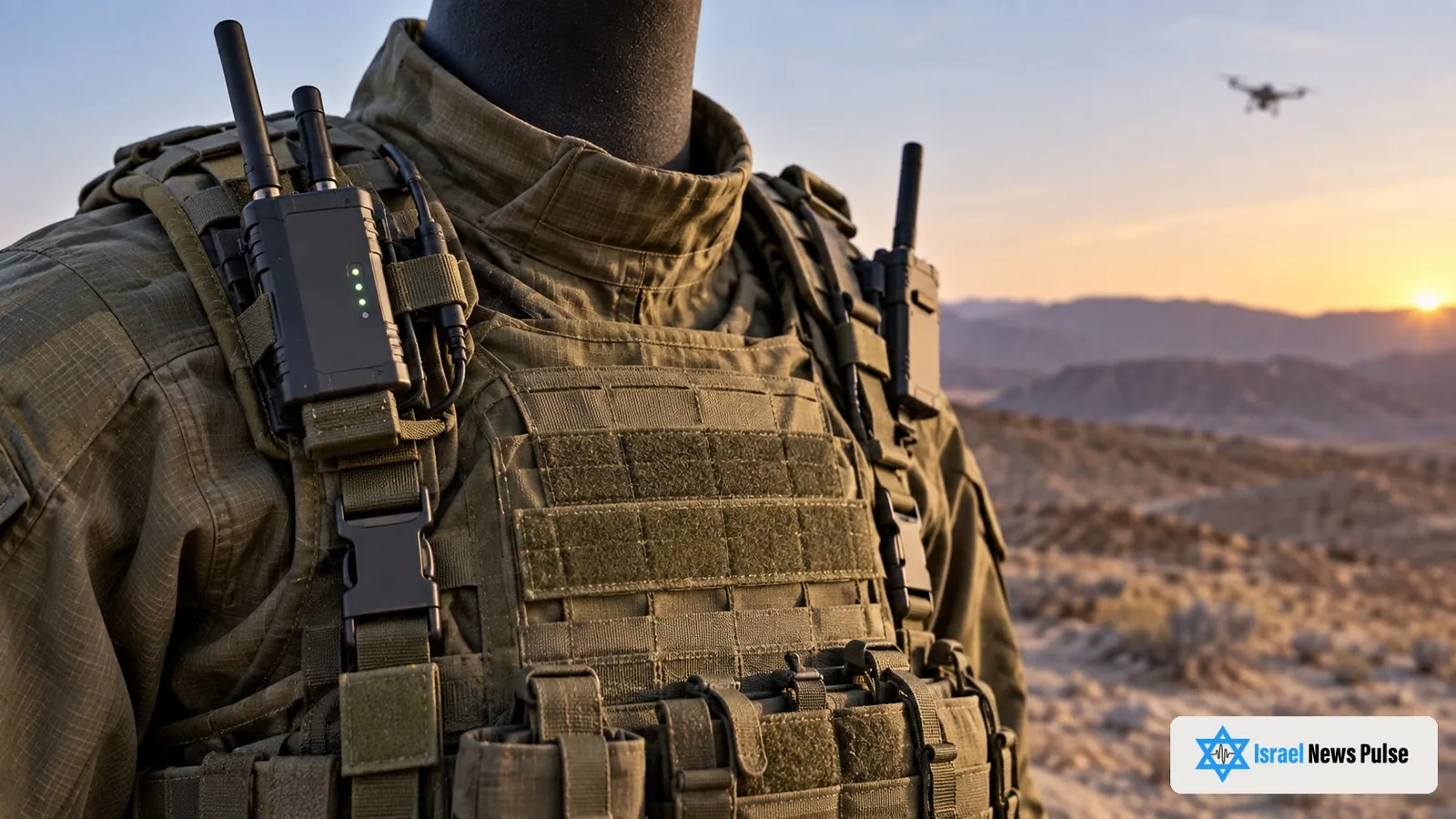
A Danish built kit combining a vest mounted detector and a jammer has been tested with IDF maneuvering forces in Gaza after use by Ukrainian troops, The Jerusalem Post reports.
Israeli infantry may soon carry their own early warning against small drones. The Jerusalem Post reported on October 6 that a wearable counter drone kit has been tested operationally with IDF maneuvering forces in Gaza, after use by Ukrainian troops and trials during a US Army exercise in Germany.
Why soldiers need it
Small commercial drones carrying grenades or explosives have become one of the deadliest weapons of the war in Ukraine, and Hamas and Hezbollah have used them against Israeli troops and civilians. Until now most of the IDF's counter drone equipment has been mounted on vehicles or fixed positions. A squad moving through a built up area on foot has often had no warning until the drone was overhead.
Putting a detector on the soldier's vest changes that. The alert travels with the force instead of staying behind with the vehicles.
What the kit does
The system in the report is made by MyDefence, a Danish company. Its Soldier Kit pairs the Wingman detector, which listens passively for the radio signals drones use, with the Pitbull jammer, which interferes with those signals once a threat is identified. The jammer can be triggered manually or automatically.
The kit can share its alerts through ATAK, the tactical mapping platform used by many Western armies, so a warning picked up by one soldier appears on the screens of nearby troops and commanders. The manufacturer also lists direction finding and software updates for new drone types.
Detection is not the same as defeat
A detector tells a soldier a drone is nearby. A jammer tries to cut its link to the operator. Neither guarantees the drone is stopped: some drones fly pre programmed routes or use fibre optic cables that cannot be jammed, and detection range depends heavily on terrain and the radio environment. The manufacturer's own figures are qualified for that reason.
The kit also has to work alongside the IDF's own drones and radios without interfering with them, and it has to fit into a load of body armor, ammunition and water that infantry already struggle to carry. Weight, battery life and the clarity of alerts matter as much as the detection figures.
Where this goes next
The Gaza test shows the IDF is examining drone protection at the level of the individual soldier, not only the brigade. The report does not give results, procurement numbers or a timetable for wider distribution, and a field test is not a decision to equip every unit.
Israel's own defense industry is working on the same problem, with Rafael, Elbit and smaller firms offering portable detection and interception systems. Whether the IDF buys the Danish kit, a local one or both, the direction is clear: the drone warning is coming down to the infantryman.