Britain Sanctions Israeli Companies. Buy Israeli Instead.

Eight familiar British brands are worth a second look when deciding where your money goes. Choosing products made in Israel puts Israeli production first.
Britain has chosen to impose sanctions on Israeli companies. Consumers who oppose that decision have a choice of their own: what to put in their shopping basket.
On November 17, the British Foreign Office announced sanctions against eight Israeli construction, property development and architecture firms over their activities in Judea and Samaria. London says the measures are intended to counter settlement expansion. They target specific businesses rather than all trade with Israel. They follow London's ban on goods from Judea and Samaria, the dispute that led Israel to end the British consulate's consular role in Jerusalem.
For shoppers who object to that pressure, there is no requirement to keep choosing British brands out of habit. A purchase can reflect a preference for Israeli products.
Eight British Brands to Keep in Mind
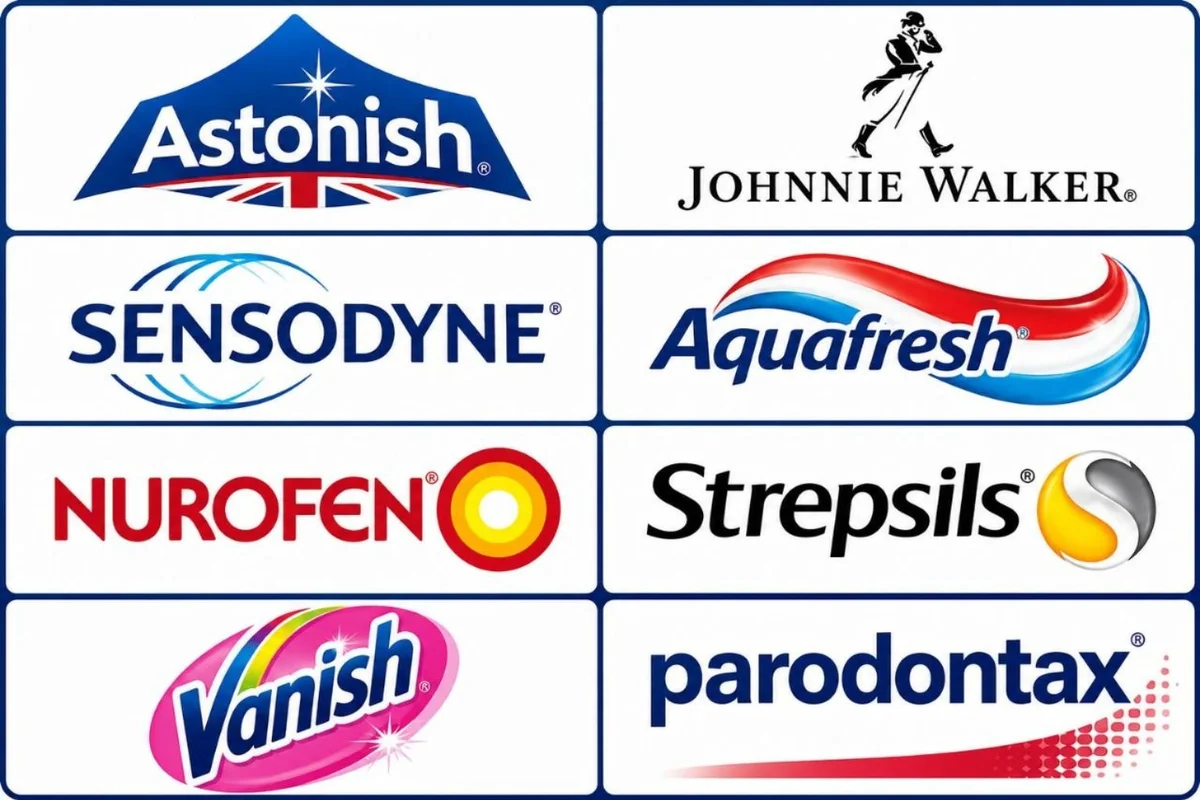
A list shared by Abu Ali highlights names familiar from supermarkets and pharmacies:
- Astonish
- Johnnie Walker
- Sensodyne
- Aquafresh
- Nurofen
- Strepsils
- Vanish
- Parodontax
Check the Company Behind the Brand
Astonish is a family business that manufactures near Bradford. Johnnie Walker belongs to Diageo; Sensodyne, Aquafresh and Parodontax belong to Haleon; and Nurofen, Strepsils and Vanish belong to Reckitt. All three groups are headquartered in Britain.
For someone seeking a different owner, switching between Sensodyne, Aquafresh and Parodontax would not achieve that: all three belong to Haleon. Checking the parent company helps make sure an alternative actually matches the reason for changing brands.
These ownership links explain the British connection. They do not establish that the brands themselves have boycotted Israeli companies.
Give Products Made in Israel Priority
For readers who want their response to support Israeli manufacturing, start by looking for a suitable product made in Israel. Check the country of manufacture on the packaging, because a local brand or importer's address does not necessarily mean local production.
Ask a Pharmacist About Medicines
For medicines, ask a pharmacist to identify an appropriate alternative. Check the formulation and strength rather than choosing a replacement by nationality alone.
The choice remains yours: continue buying these brands, choose alternatives from a country that does not impose such restrictions on Israeli companies, or, better still, buy products made in Israel.
Spend your money wisely. Share the list.
Credit: Abu Ali.