Brussels Police Separate Peaceful Budget March From Violent Clashes
A major protest against government cuts was accompanied by fires and attacks on police. The main union procession remained peaceful, police said.
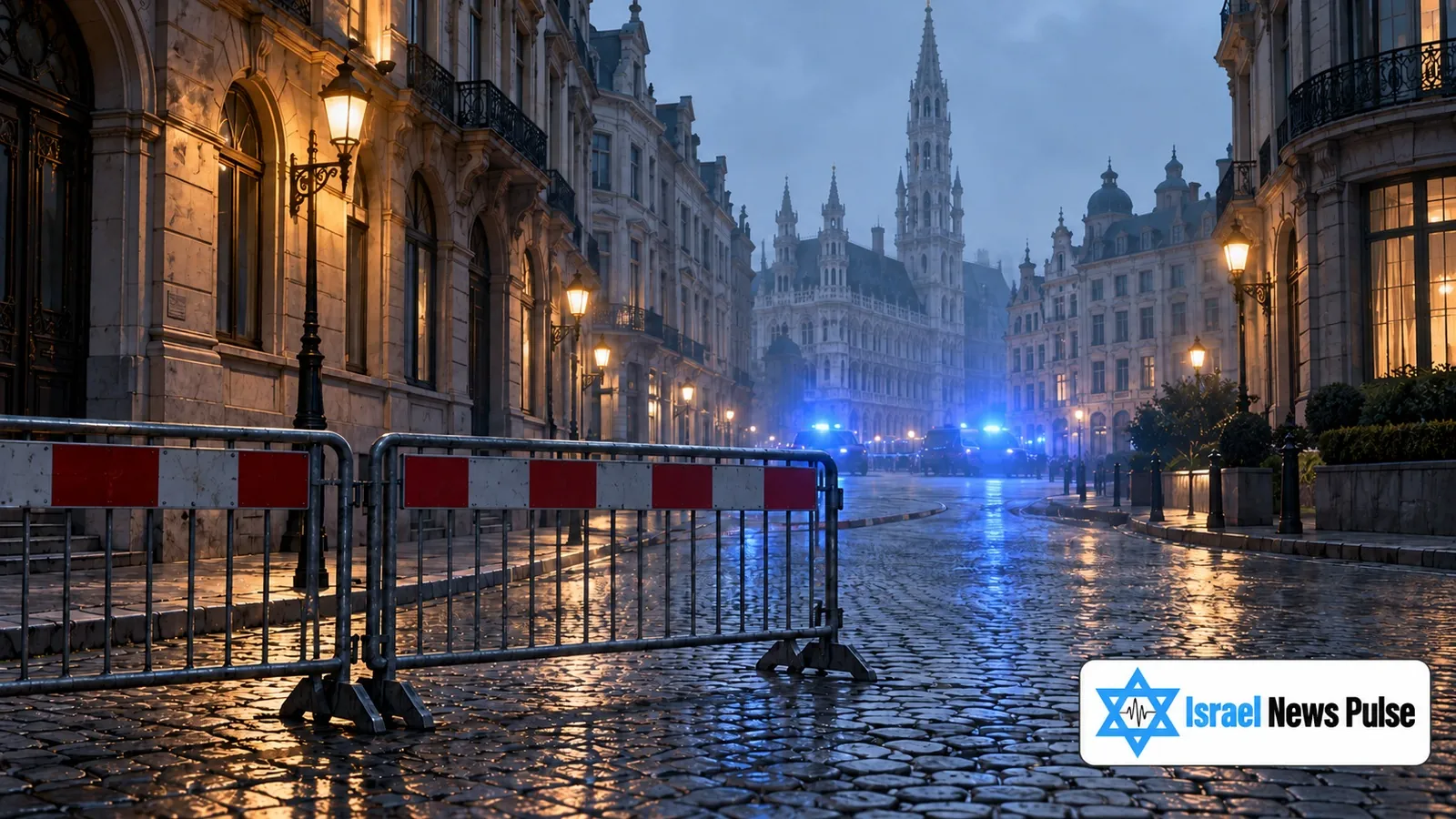
Masked groups threw stones and fireworks at police and set fires in central Brussels on Friday, October 9, 2026, while about 30,000 people took part in a union march against federal budget measures. Police used tear gas and water cannon, but said the principal procession itself had remained peaceful.
The first police tally listed 21 people detained, including 13 minors. By Friday evening, the provisional totals reported by local media had increased to around 30 judicial arrests and 80 administrative detentions. Those figures describe different police procedures and should not be read as a final count of people charged.
Violence around the march
Police described separate groups attacking officers with paving stones, bottles and pyrotechnics. Fires and vandalism affected street property, including bins, bicycles and vehicles. The confrontations disrupted the city centre alongside the wider disruption caused by the demonstration.
The distinction between the march and the violent groups was explicit in the police account. The authorised procession travelled from Brussels-Central station toward Brussels-Midi, and police said its participants marched calmly. The identities and affiliations of those involved in the disorder were not established by that statement.
Why the detention figures changed
Early reports captured only part of a police operation that continued through the day. The initial total of 21, including 13 minors, was therefore overtaken by later information. Euronews reported the higher evening figures in its October 10 account.
Administrative detention concerns maintaining public order, while judicial arrest relates to suspected criminal offences. Combining both categories without explaining them obscures the status of those held. Neither category, on its own, establishes guilt or a conviction.
The totals remained provisional. A complete account of charges, releases and injuries was not available in the reporting reviewed for this article. That uncertainty does not change the documented scale of the disorder or the police description of the main march.
A dispute over who bears the cuts
The FGTB/ABVV and CSC/ACV unions organised the protest against the federal government’s budget and socioeconomic policies. Police estimated attendance at roughly 30,000; the FGTB put it at 50,000. The two estimates came from different sources and should be identified as such.
Union objections centred on purchasing power and the effect of proposed measures on employees, pensioners and households with lower incomes. Wage indexation, taxation and pressure on public services were among the issues raised. Students also joined, voicing concerns about education costs and access.
Prime Minister Bart De Wever’s government faces opposition over how to address Belgium’s public finances. The march expressed that policy dispute, while the police operation addressed violence around it. Treating the two as a single episode of rioting would erase the distinction police themselves made.