California Imam Invokes Destruction of Nonbelievers' Civilization in 'No Mercy' Sermon
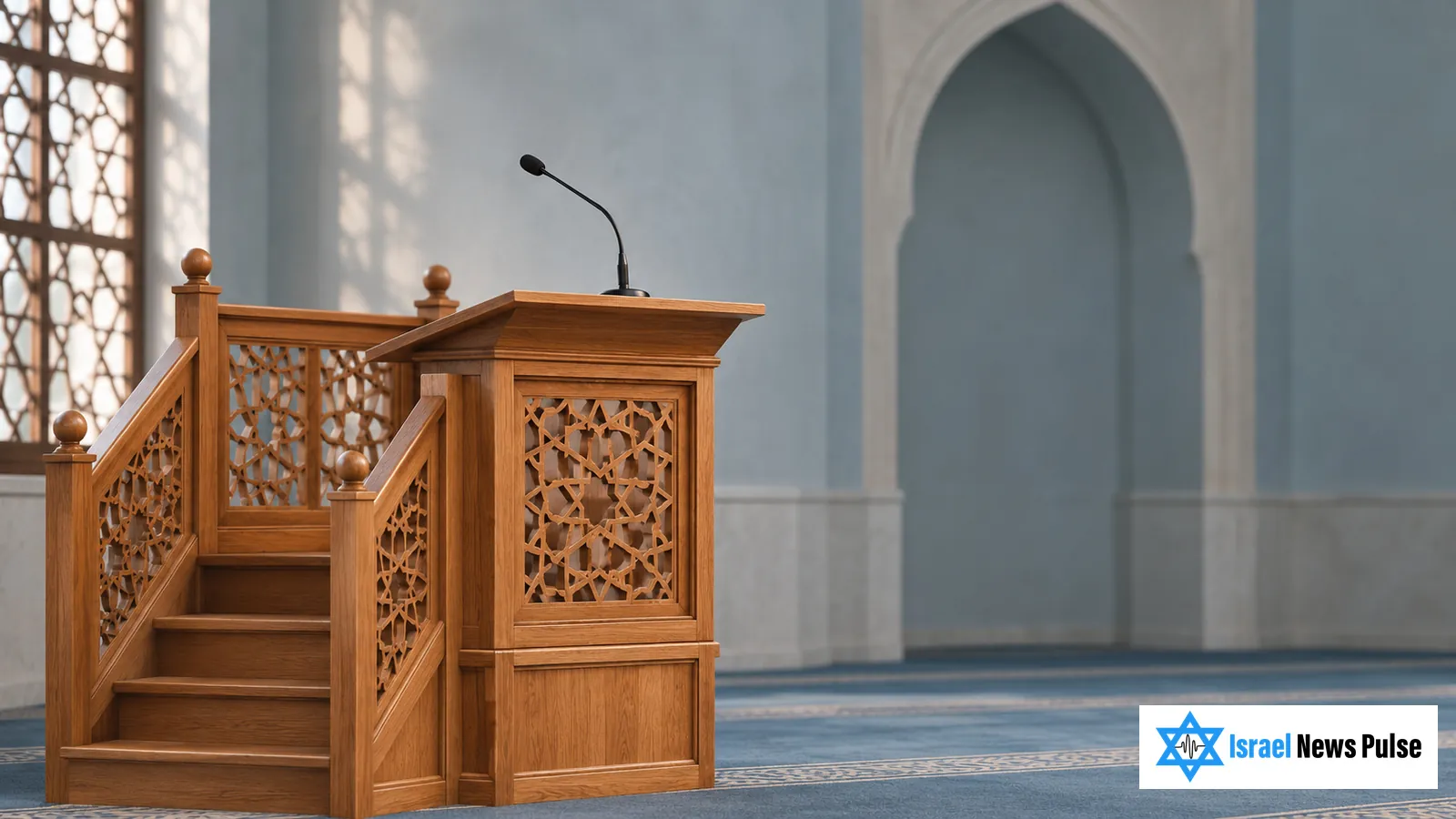
Sayed Moustafa al-Qazwini cited the Quran's account of Thamud's destruction to warn that power offers no protection from divine punishment, then carried that message into an attack on American foreign policy.
California imam Sayed Moustafa al-Qazwini warned that disbelievers and corrupt rulers would face divine punishment without mercy, invoking the destruction of an entire civilization during an English language sermon posted on YouTube.
Al-Qazwini, founder and director of the Islamic Educational Center of Orange County, delivered the address on November 6. The recording on the center's YouTube channel moves from Quranic accounts of punishment to criticism of American leaders and foreign policy. It follows other sermons in American mosques that drew scrutiny this autumn, including a Washington imam's call for an Islamic state in North America by 2050 and death prayers recorded at a Detroit mosque.
His central message was that apparent success should not be mistaken for lasting protection. Wealth, political office and military strength, he told his audience, could not shield wrongdoers from the judgment awaiting them.
Thamud's Destruction as a Warning
Al-Qazwini turned to Chapter 91 of the Quran, Surah Ash-Shams, and its account of the Thamud people. He described them as an arrogant community that rejected faith, defied its prophet and sided with falsehood and oppression.
In his retelling, the prophet Salih warned the community to leave a she camel unharmed and allow it access to water. A member of the community killed the animal despite that warning. Al-Qazwini placed responsibility on the wider community for rejecting the prophet and choosing to support wrongdoing.
He then described the punishment in sweeping terms: God "destroyed the entire civilization." The destruction, he said, leveled their territory and represented justice for their conduct.
The imam contrasted God's mercy with the point at which, in his account, mercy was withdrawn. He presented Thamud's fate as the consequence of persistent defiance, with the destruction of a community serving as the lesson for those who believed themselves beyond accountability.
More Time in Power, More Sins
From that account, al-Qazwini moved to another Quranic passage, in Surah Al Imran, addressing disbelievers who are given more time before punishment. He applied it to arrogant people who remain in office, continue wrongdoing and appear to suffer no consequences.
Their continued health, authority and freedom to act, he argued, should not be read as divine approval. Instead, he said, the additional time allowed their sins to accumulate before a reckoning.
Speaking in the voice of divine judgment, he said: "So when we take them, we take them with no mercy." He described the punishment as humiliating and said it would come without regret.
Al-Qazwini also said that God's patience gave wrongdoers an opportunity to change. His warning concerned those who persisted: leaders might intimidate other people, bully countries or evade human courts, but they could not escape divine justice. He urged listeners facing hardship to remain patient and confident that oppression would eventually be defeated.
The Warning Moves Into American Politics
The sermon then brought those religious themes into a contemporary political argument. Al-Qazwini portrayed the recent American vote as a rejection of policies he associated with unjust wars, foreign interference and civilian suffering.
He criticized the influence of lobbies and wealthy interests, arguing that American leaders should serve their own citizens. Money sent abroad, he said, should instead help pay for education, housing and medical care at home.
His criticism of foreign spending went beyond its cost. He accused American assistance of helping destroy hospitals, schools and places of worship, presenting the spending as a moral failure as well as a domestic political choice.
He also rejected military and economic dominance as measures of national greatness. In his account, a country's standing should depend on justice, integrity and respect for human life. He accused American leaders of bullying other countries, including allies.
Near the end, al-Qazwini described accountability in two stages. Americans had delivered their judgment peacefully through the ballot box; a further judgment would come from God. He thanked Muslim citizens who had voted, encouraged continued participation and prayed for the protection of America and peaceful nations.
The Stakes for Israel and Its Allies
For Israel and its allies, the portrayal of foreign assistance chiefly as an instrument of destruction leaves a central question unanswered: the security of the people that assistance helps protect. Israeli lives, the threats facing them and the state's responsibility to defend its citizens belong in any serious discussion of American support.
A religious judgment cannot resolve those security questions. Presenting political leaders as wrongdoers awaiting divine punishment places their decisions within a moral verdict that reaches far beyond a dispute over a particular policy.