Hamas Threatens Israel With Another October 7 Through UN Official in Gaza
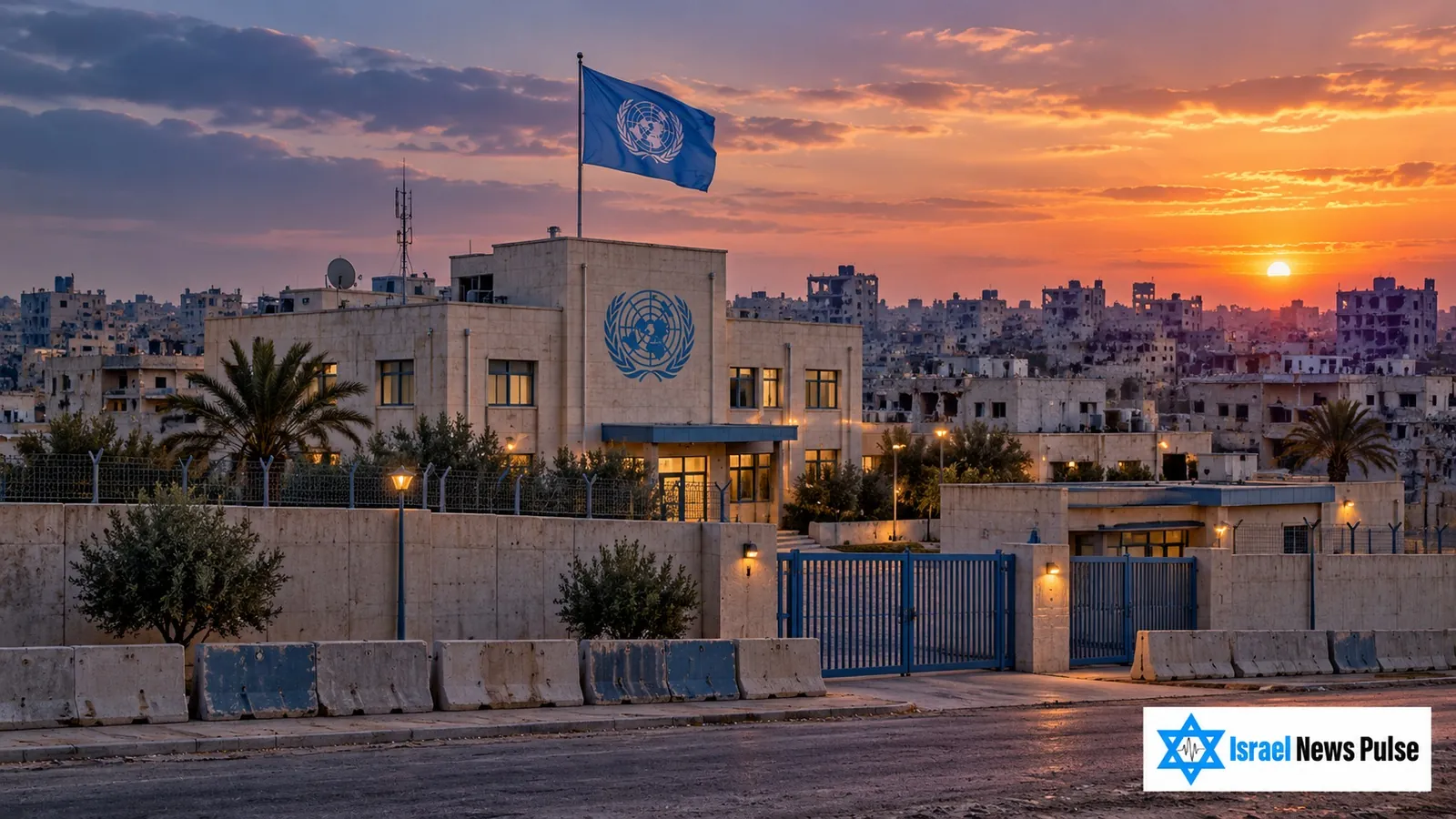
Senior Hamas officials used the office of the UN humanitarian coordinator in Gaza to pass Israel a warning: the terrorist group says it is ready to carry out another massacre like October 7, wherever the opportunity arises.
The message reached Israel's top political and security leadership in an urgent written document, days before Israelis go to the polls on October 27. It was first revealed by Ynet on October 22, and an excerpt of the document was later aired on Channel 13.
A threat passed through the UN
According to the Israeli account, senior Hamas officials met Dr. Ramiz Alakbarov, the UN humanitarian coordinator, at his office in Gaza and asked him to deliver their message. Alakbarov then met Maj. Gen. Yoram Halevy, head of COGAT, the Israeli body that coordinates civilian matters in Gaza, on October 21. Halevy sent the warning on to Prime Minister Benjamin Netanyahu and Defense Minister Israel Katz, and COGAT confirmed the account.
The threat was blunt. Hamas said it was prepared to repeat an attack like October 7 in Israel, in Judea and Samaria and abroad. Israeli officials described it as an extraordinary and unprecedented warning, delivered through a United Nations channel. Hamas later denied sending it, and Alakbarov's office denied that he had met Hamas officials on his latest visit.
Why Hamas is lashing out
Hamas tied its threat to three developments: IDF operations in Gaza, changes to the Yellow Line and the Palestinian Authority's decision to cancel Palestinian elections. In the message, Hamas leaders complained that these steps were eroding their control on the ground and said they would not accept it.
The Yellow Line marks the boundary between the part of Gaza held by the IDF and the area where Hamas still operates. Every shift of that line shrinks the territory the terrorist group controls. For Hamas, losing ground means losing the population it taxes, recruits from and hides behind.
A terror group short of money
The threat comes as Hamas faces a deep financial crisis. Israeli security estimates put the group's monthly payroll needs at about 90 million shekels, roughly $29 million, to pay around 30,000 members an average of about 3,000 shekels each. Much of the cash that once flowed into Gaza has been cut off, and paying its terrorists on time has become harder.
At the same time, Israel has stepped up targeted strikes against Nukhba terrorists, the elite unit that led the October 7 invasion, and against senior Hamas commanders. Israeli assessments say Hamas has no intention of giving up its weapons and will try to stall any disarmament demand for as long as it can. Hamas's refusal to disarm remains the central obstacle to any lasting arrangement in Gaza.
Tight security before election day
Israel is not taking the warning lightly. The IDF announced restrictions in Judea and Samaria and the Jordan Valley around the election. On October 25 and 26, Palestinian workers were barred from entering Israeli communities, with limited exceptions. On election day, October 27, the restrictions widen to industrial zones and all land crossings close until after the vote.
The IDF also began a pre planned two day exercise on October 25 in northern and central Israel, with ground forces and the Israeli Air Force drilling defense against attacks on several fronts at once. The military told residents to expect increased movement of aircraft and vehicles and stressed that the drill was scheduled in advance as part of its 2026 training program.
What another October 7 means
On October 7, 2023, Hamas terrorists and their allies broke through the Gaza border and invaded southern Israel. They murdered about 1,200 people in their homes, in kibbutzim and at the Nova music festival, and abducted 251 hostages into Gaza. It was the deadliest day for Jews since the Holocaust.
For Israelis, a promise to repeat that day is not rhetoric. It is the same group, the same leadership culture and the same stated goal. Hamas has now said so openly, through the United Nations, three years after the massacre. The message makes clear why Israel insists that Hamas be disarmed and removed from power in Gaza, and why the IDF is keeping its guard up as the country votes.