Israel's New Knesset to Open November 10 at 16:00
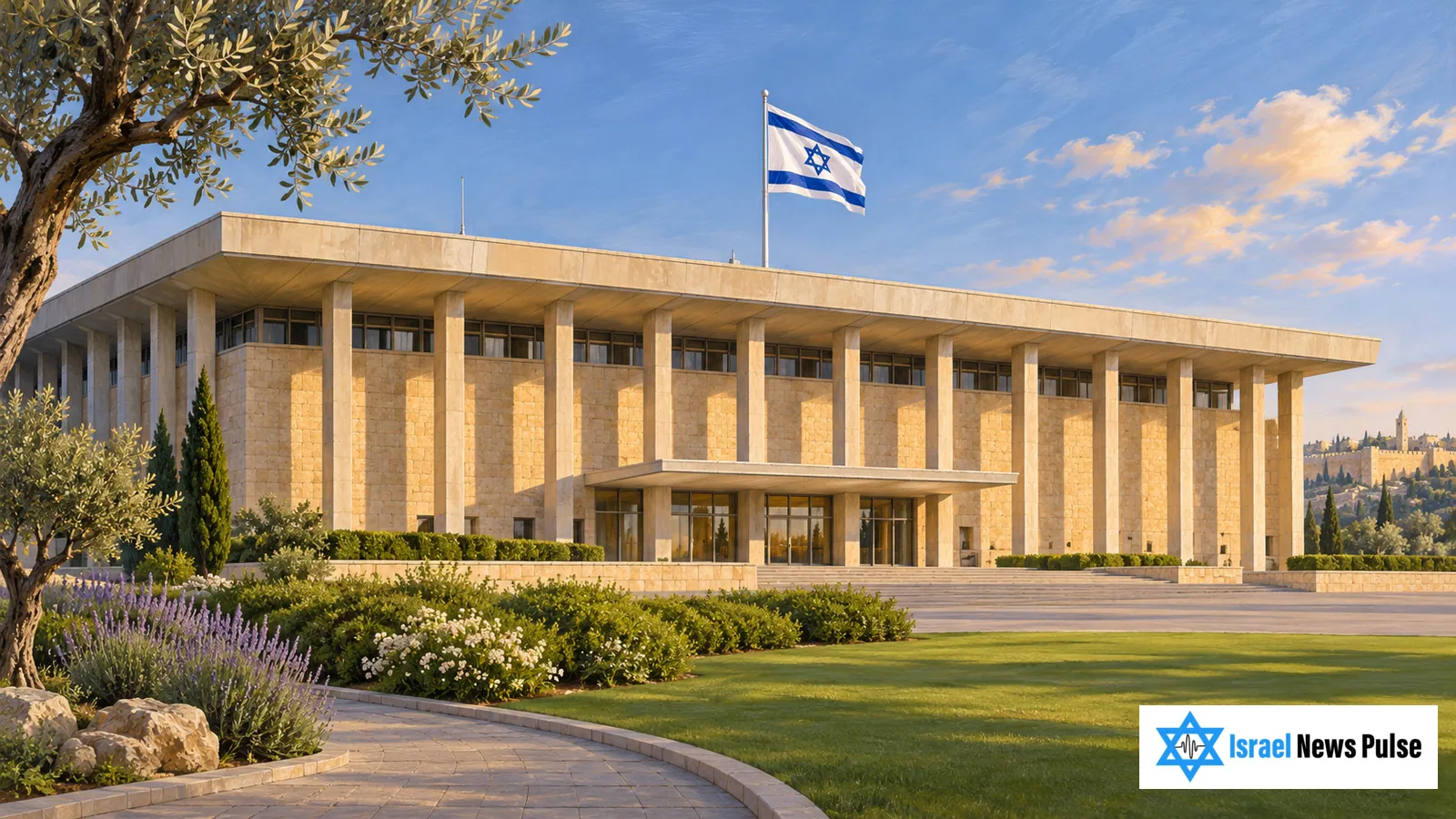
Israel's 26th Knesset is scheduled to hold its opening session on Tuesday, November 10, at 16:00 Israel time, with President Isaac Herzog attending. The ceremony will bring the 120 elected lawmakers into the new parliamentary term.
The opening comes two weeks after the October 27 election. On November 4, Herzog received the official results from Central Elections Committee chairman Justice Noam Sohlberg, moving the country from counting ballots into the institutional stages that follow an election.
A Confirmed Parliamentary Date
The Knesset announced the November 10 date and 16:00 start in its official notice. Newly elected members, returning lawmakers and members continuing from the outgoing parliament are scheduled to make their declarations of allegiance in the Jerusalem chamber.
The ceremony has a fixed place in the transition between parliaments. It allows the new Knesset to begin its work while the president and the parties pursue the separate process of forming a government.
The Seats Behind the Negotiations
The final seat allocation gives Likud 27 members and Gadi Eisenkot's Yashar 21. Naftali Bennett's B'Yachad has 12, the Joint List 11, and both the Democrats and Ra'am have eight.
Yisrael Beytenu, United Torah Judaism and Otzma Yehudit each hold seven seats. Shas and the Religious Zionism alliance each have six. Together, the parties associated with Benjamin Netanyahu's bloc hold 53, the rival Zionist bloc 48 and the two Arab lists 19.
Those numbers are the starting point for negotiations in a chamber where 61 seats constitute a majority. Under Israel's electoral system, voters elect party lists, and the allocation of seats does not itself appoint a prime minister.
Parliament Can Begin Before a Coalition Is Ready
Assaf Shapira of the Israel Democracy Institute explained on November 2 that the Knesset's powers do not depend on the formation of a new government. Once it convenes, it can conduct parliamentary business under the applicable laws and rules.
The outgoing speaker continues until a replacement is elected, provided that the speaker has been reelected. A new speaker must be chosen by the sitting at which a government is established, but the election can take place earlier.
An Arrangements Committee organizes the parliament's initial work. Temporary Finance and Foreign Affairs and Defense committees can operate before the full standing committee structure is established, preserving scrutiny of budgets and security policy during the transition.
The President's Separate Clock
Publication of the official results starts the timetable for assigning the task of forming a government. The president consults the parliamentary factions and has seven days from publication to select a member of Knesset for the task.
The first candidate has 28 days to assemble a government, with an extension of up to 14 days available from the president. These deadlines run alongside the parliamentary opening and can continue after the declarations of allegiance.
The Central Elections Committee's published timetable also lists November 18 as the deadline for appeals against the election results to the Jerusalem District Court.