Syria Says Hezbollah Cell Planned Attack on Homs Refinery
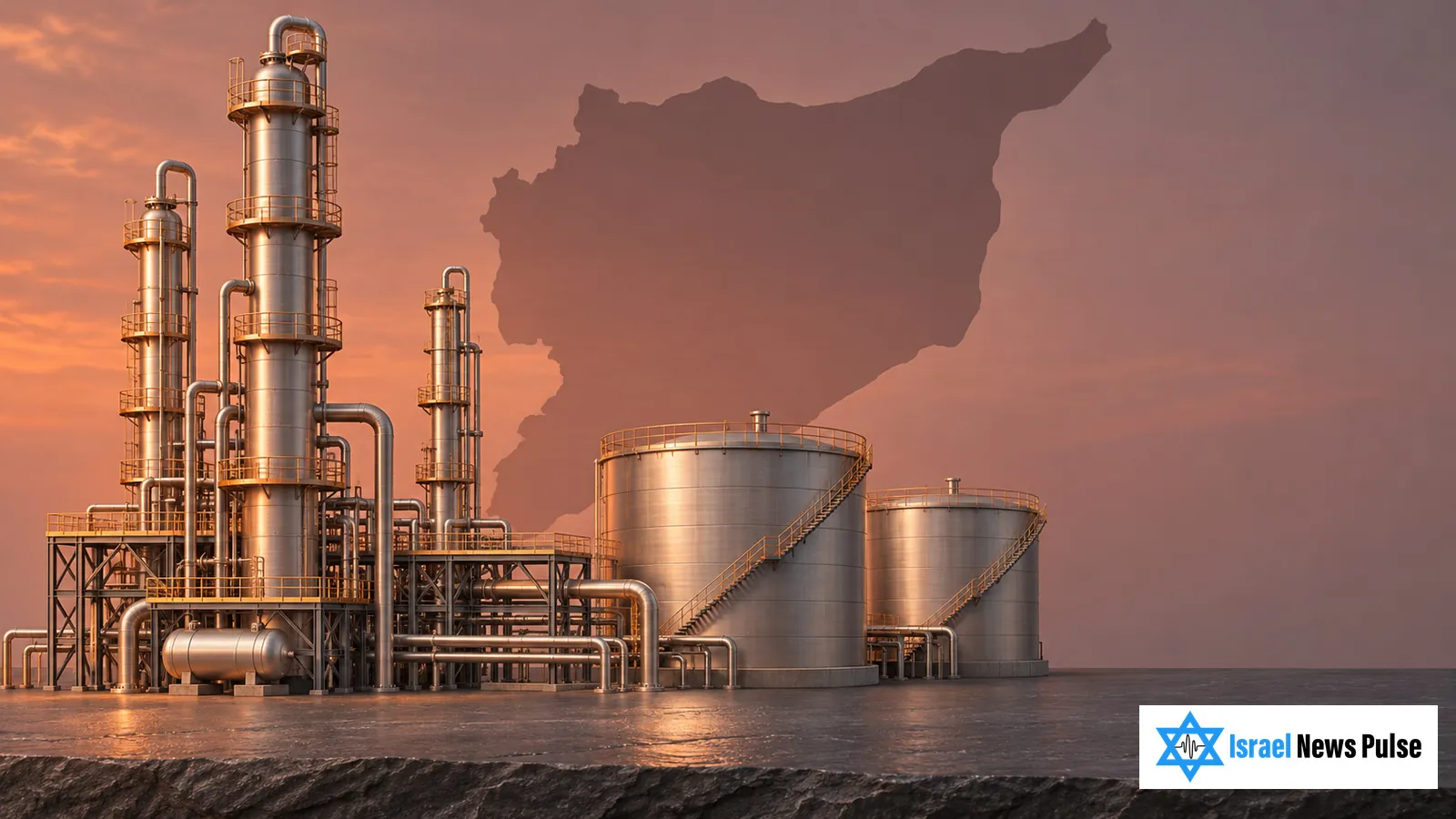
Syrian security authorities said Tuesday that they arrested members of a cell linked to Hezbollah and seized explosives prepared for an attack on the Homs oil refinery.
The November 3 statement adds an identification to a plot Syrian intelligence first disclosed on Sunday. Syria's state news agency SANA said the General Intelligence Service worked with the Internal Security Forces to disrupt the operation and detain the cell's members.
A New Accusation Against Hezbollah
The Internal Security Forces attributed the planned attack to a cell affiliated with the Lebanese terrorist organization. The explosives were intended for the refinery, according to the statement carried by SANA. The affiliation and purpose of the devices are Syrian security claims.
Sunday's initial announcement had described a thwarted terrorist plot against the same facility without naming Hezbollah. Tuesday's account therefore moves the story from a general security alert to a specific accusation against the organization.
The accusation comes while Hezbollah's military infrastructure in southern Lebanon remains a focus of Israeli security operations. The Syrian case concerns a different target: a facility that supplies fuel to Syria's domestic market.
Why the Refinery Matters
Homs and Baniyas are Syria's two main refineries. SANA describes the Homs installation as a major supplier of petroleum products, including diesel, fuel oil and kerosene. Disruption at such a facility can affect transport, industrial activity and the availability of fuel for electricity generation.
The plant had recently undergone work to restore production equipment. In October, its atmospheric distillation unit 10 was rehabilitated and maintained, with a design capacity of one million tonnes of crude oil a year, SANA reported.
That figure refers to the unit's design capacity. It gives a measure of the equipment returned to service, while the refinery's actual output depends on feedstock, maintenance and operating conditions.
An Energy System Under Strain
Energy Minister Mohammad al-Bashir told Syria's People's Assembly on September 20 that the government was keeping the Homs refinery operating despite its poor technical condition until new refining capacity could be established.
In the same hearing, he put national refining capacity at about 150,000 barrels a day and petroleum product imports at about another 150,000 barrels a day. He identified the availability of foreign currency for crude, fuel products and spare parts as a central challenge.
Those figures explain why protecting existing equipment carries economic weight. A security operation at Homs concerns an energy system already dependent on imports and continued repairs, as well as the alleged terrorist network itself.
Separate Security Operations Across Syria
SANA placed Tuesday's announcement alongside other recent counterterrorism operations. On November 1, intelligence and internal security personnel arrested two suspected ISIS cell members in Deir Ezzor governorate, the agency said.
It also cited an October 16 operation against an ISIS plot targeting a police patrol in the Damascus countryside. On October 10, authorities said they dismantled another ISIS linked cell in the Houla area of Homs governorate that was preparing attacks on places of worship and security patrols.
Hezbollah's activity has also figured in Lebanon's handling of seized explosives. In the Homs case, Syrian authorities said the devices prepared for the refinery attack were seized during the operation.