IDF Says It Dismantled Gaza Tunnel Crossing the Yellow Line
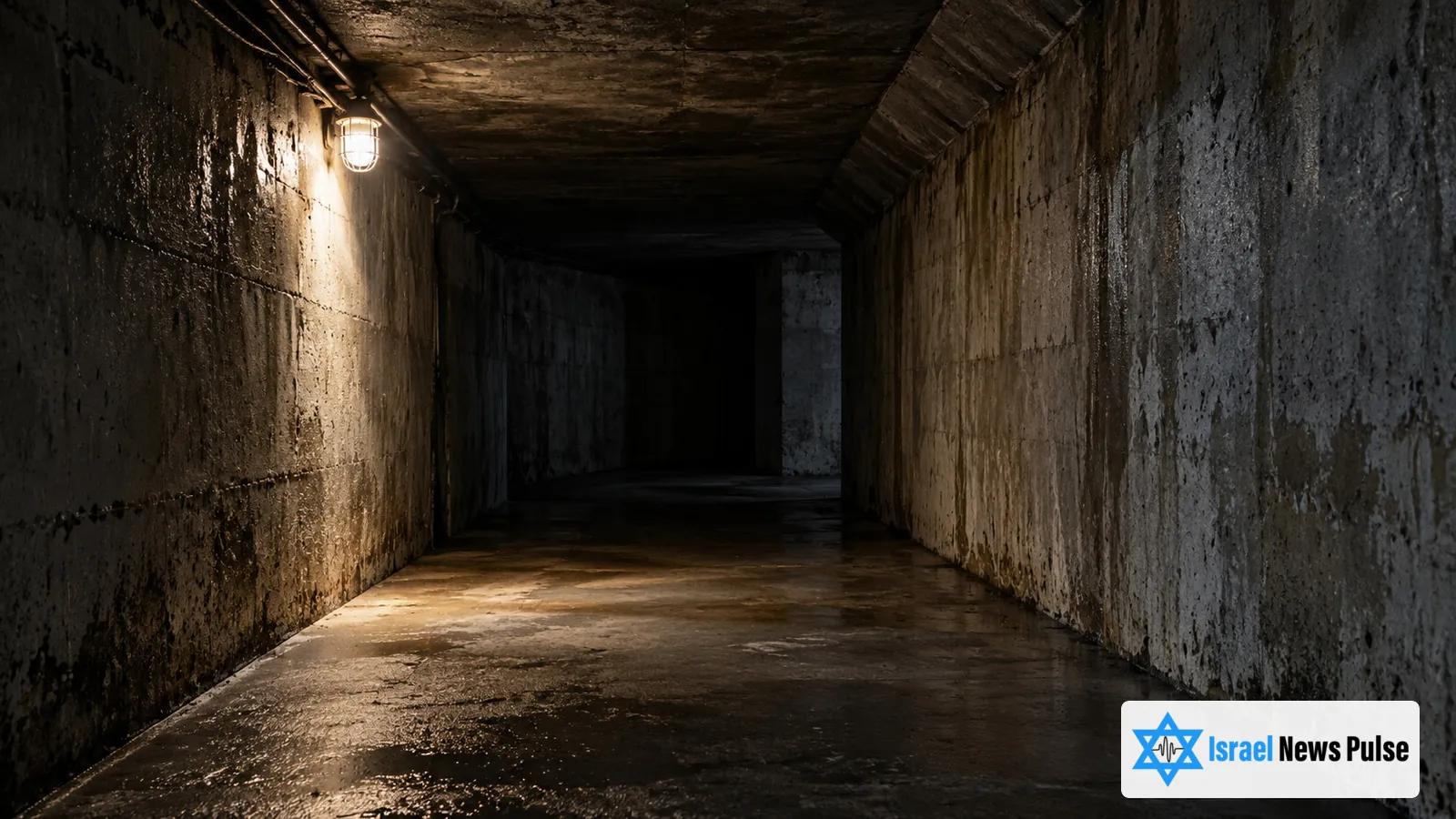
The IDF said on October 15 that it had sealed and dismantled an approximately 1.5 kilometre tunnel route crossing the Yellow Line area in southern Gaza. The military said the route contained rooms for Hamas terrorists.
The operation involved the Gaza Division’s Southern Brigade and the Yahalom combat engineering unit. The IDF’s Hebrew announcement placed the work under the division’s engineering command and Southern Command, which continue clearing terrorist infrastructure around the ceasefire deployment line.
This post from X is shown after you allow embedded content.
Watch the video on XPosted 15 October 2026What the army announced
The military published its Hebrew update at 12:01 on October 15, followed by an English announcement and accompanying footage. Its description concerns a route inside the southern Gaza Strip that passed through the area of the Yellow Line, the boundary between different zones of military control.
The operational details and footage were supplied by the IDF. Israel News Pulse could not independently establish the precise demolition date, discovery method, entrance locations or a detailed inventory of the rooms; no public Hamas response addressing this particular route was found.
A line inside Gaza
The Yellow Line marks positions to which Israeli forces redeployed under the October 2025 ceasefire arrangements. It runs within Gaza, separating Israeli military positions from areas where Hamas retains control. A tunnel crossing this line therefore does not, by itself, establish a crossing of the Gaza boundary into Israel.
In its October 20, 2025 explanation, the IDF said Southern Command troops were marking the line to provide tactical clarity. The announced markers consisted of concrete barriers with yellow poles 3.5 metres high, normally spaced about 200 metres apart, with adjustments for the terrain.
The army describes its continuing operations around the line as efforts to remove threats to deployed soldiers and Israeli civilians. Those ground positions make the route’s location relevant even without a claim that it reached an Israeli community.
Earlier operations had different scopes
On January 25, 2026, the IDF announced that the 7th Brigade and Yahalom had completed dismantling a separate tunnel route about four kilometres long in southern Gaza. That work had begun approximately a year earlier, and the military said the route contained underground rooms and weapons.
A February 23 announcement described another route, about one kilometre long, in the Rafah area. The IDF said troops had found terrorist hideouts and weapons there. Neither inventory should be transferred to the tunnel announced on October 15.
In a separate northern Gaza update on October 14, the military said the 99th Division’s four months of operations had neutralized about eight kilometres of tunnels. These figures describe particular missions, rather than a comprehensive measurement of Gaza’s remaining network.
Why tunnels remain part of the ceasefire issue
The US backed plan endorsed by UN Security Council Resolution 2803 in November 2025 includes the destruction of military and terrorist infrastructure, including tunnels and weapons production facilities. Removing underground routes is therefore part of the wider disarmament question as well as an immediate security task.
The October 15 announcement identifies one route the IDF says it removed. It supplies no basis for calculating what percentage of the entire network has been dismantled, when all clearance work might finish, or whether this specific tunnel was built after the ceasefire. The geographic location and the operation’s stated scope are the facts available for assessing this announcement.