Trump Calls Iran Ceasefire "a Waste of Time": Is He Preparing for a Strike?
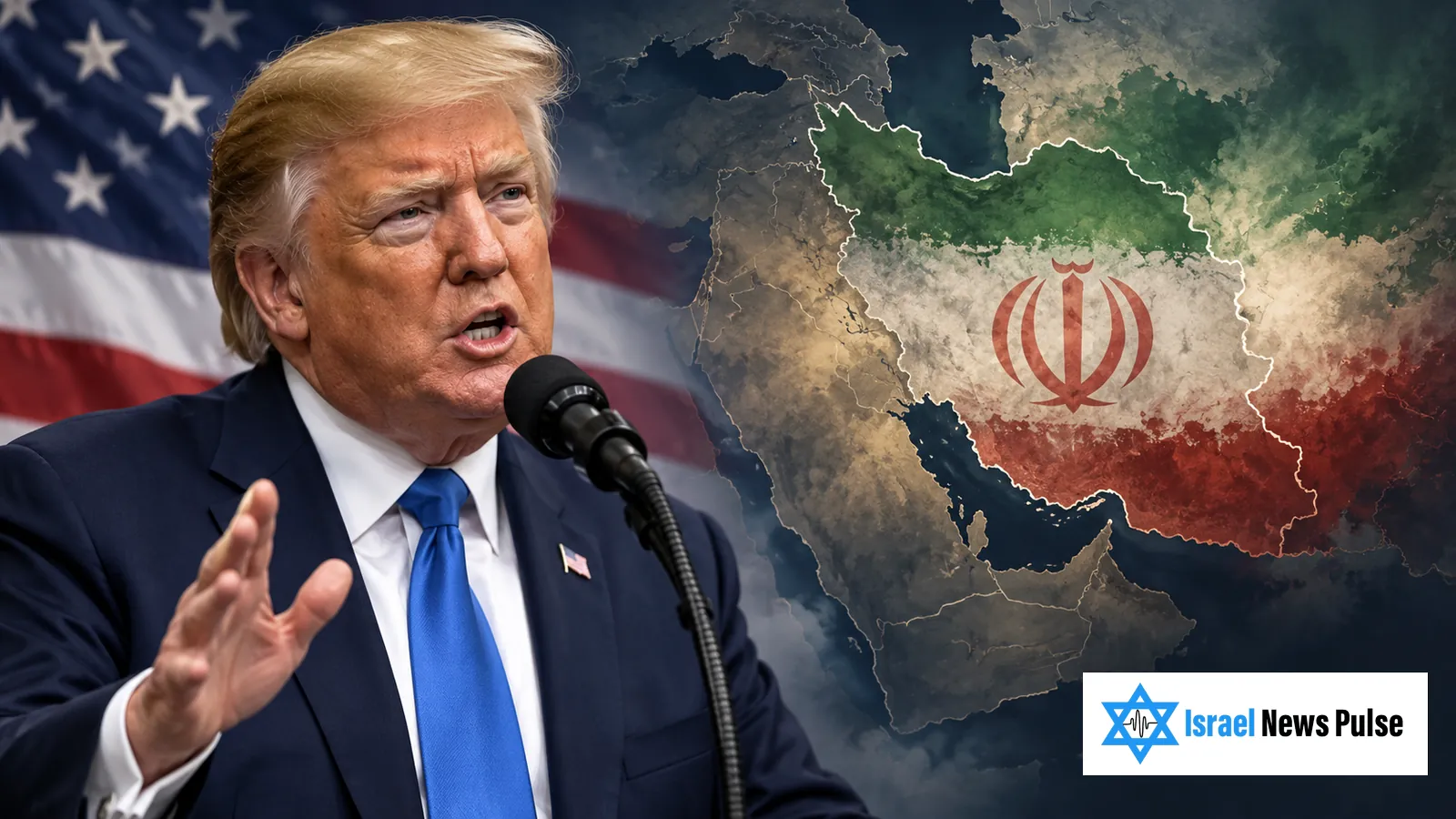
The president dismissed the brief truce and invoked a missile threat to Europe and American cities, raising the question of whether he is building the case for renewed military action.
President Donald Trump called the brief ceasefire with Iran "a waste of time" at an election rally in Mississippi, saying he had never particularly liked it. He also claimed Iran now has a missile capable of reaching Europe and warned that American cities, including San Diego and Los Angeles, could have been attacked.
Taken together, the remarks raise a question with consequences well beyond the campaign stage: is Trump preparing the public for another strike against Iran? His words build an argument for military pressure, although they do not establish that a new attack has been ordered.
A ceasefire he says he never liked
Speaking in Corinth, Mississippi, on October 26, Trump described the pause in fighting as an arrangement he had accepted without much enthusiasm. "We did a little ceasefire, which I never liked very much," he said, before dismissing its value.
That language matters because it addresses more than the length of the truce. Trump was questioning what the pause had achieved. A ceasefire can interrupt fighting without resolving the dispute that produced it; his remarks presented this one as an interruption that had not justified the time spent on it.
For anyone listening for the direction of American policy, that is the first part of the message. The president was offering little public defense of the pause. Instead, he was explaining why he believed the United States had needed to act and why restraint had disappointed him.
From Europe to San Diego and Los Angeles
Trump also brought the threat closer to his American audience. He claimed that Iran now has a missile that could reach Europe, expressed surprise at that capability, and asked: "Where the hell did they get that?"
He went on to name two cities on the American West Coast. "They'd hit San Diego, they'd hit Los Angeles," he said. Naming familiar cities turned a discussion of Iranian weapons into a warning about the safety of Americans at home.
These were Trump's claims about the danger Iran posed. The remarks did not identify a missile model, disclose its tested range or present evidence of an operational plan to attack those cities. A claim about reaching Europe also does not, by itself, establish the capability to reach California.
The political significance of the passage is nevertheless clear: Trump was presenting Iran as a threat extending beyond the Middle East, with implications for both European security and the American homeland.
Is this the argument before another strike?
The case he laid out had a recognizable sequence. The ceasefire had wasted time. Iran remained dangerous. American cities could be threatened. In that framing, military action becomes a measure intended to prevent a future attack, rather than simply a response to something that has already happened.
That makes the possibility of renewed strikes a reasonable question to ask. A president who publicly diminishes the value of a truce while emphasizing the cost of leaving a threat intact is also explaining why further force might be necessary.
But the same words can serve more than one purpose. They can defend previous military decisions, pressure Tehran, and prepare an audience for possible escalation. The rally remarks alone do not tell us which of those purposes is driving the next decision.
For Israel, the distinction matters. An American argument about containing an Iranian threat has direct relevance to the regional security debate. It does not, on its own, reveal a joint operational plan, a timetable or the targets of any future attack.
The next step will matter more than the rhetoric
The indicators to watch are concrete: an explicit announcement of further action, a clearly stated demand with a deadline, or an official explanation of what Iran must do to avoid renewed strikes. Those would give the rally language a more specific policy meaning.
Until then, the clearest development is in Trump's public argument. He has described the ceasefire as time wasted and put the names of American cities alongside his warning about Iran. That combination could help prepare the ground for a strike. Whether it leads to one remains the unanswered question.