IRGC Adviser Threatens to Block Routes Near Oman in the Strait of Hormuz
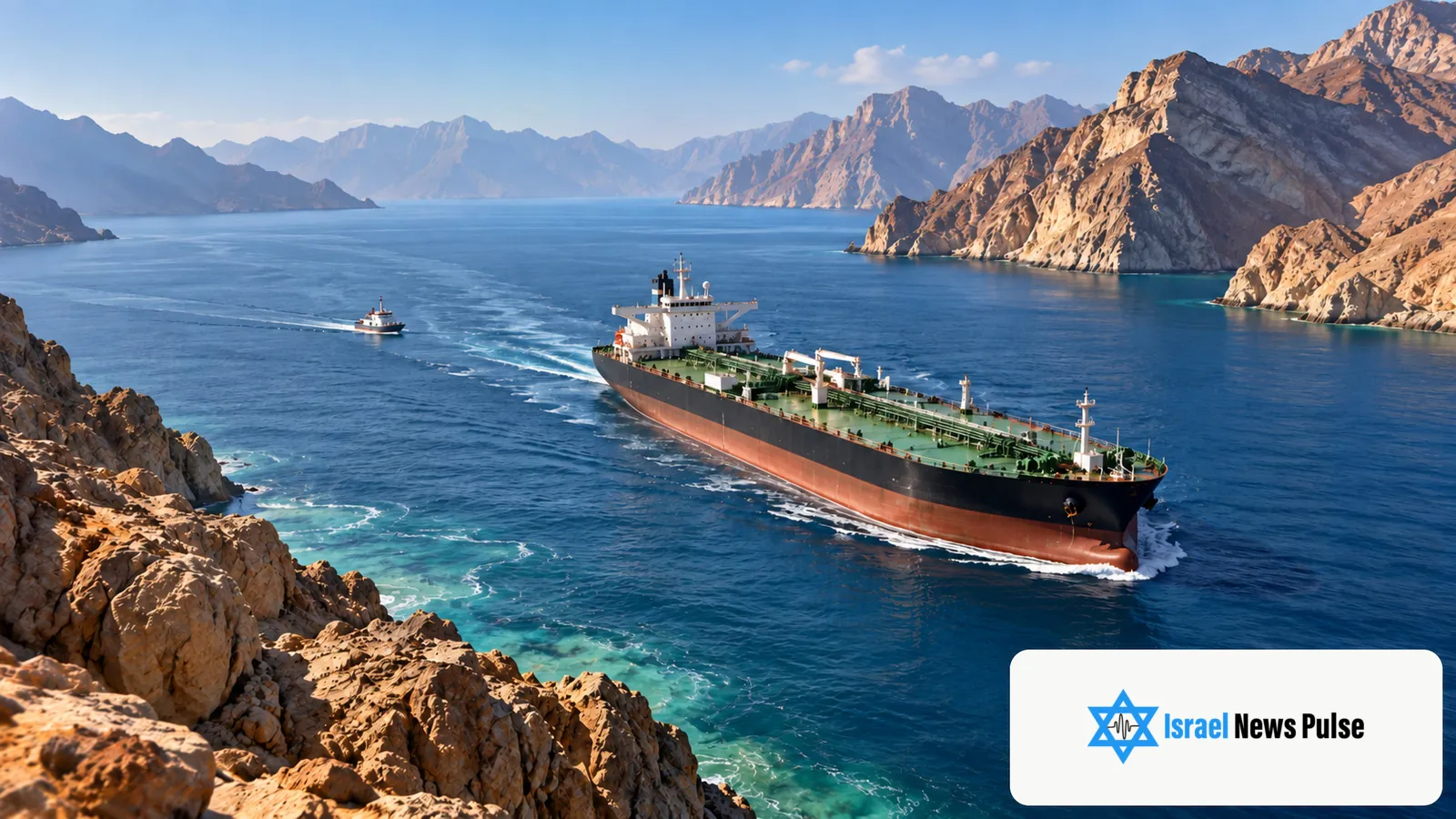
Iran's new threat focuses on passages near the Omani coast. Washington says oil flows have recovered, while Tehran insists it retains control of the strait.
An adviser to the commander of Iran's Islamic Revolutionary Guard Corps has threatened to close routes near Oman in the Strait of Hormuz, adding a specific coastal target to Tehran's claims of control over the waterway. Mohammad Reza Naqdi described the passages as illegal, according to Reuters reporting on 7 October.
The statement arrived alongside an opposing message from US Secretary of State Marco Rubio, who said the strait was open and oil flows had returned to nearly their level before the conflict. Neither statement alone establishes the safety of a particular voyage through the area.
A threat aimed at coastal passages
Reuters, citing Iran's Fars news agency, reported that Naqdi was referring to a southern route close to Oman's coast. He alleged that small vessels used it to move smuggled oil to tankers and that rocky passages had been altered to create access.
IranWire also covered the remarks, tracing them to an interview with Iranian broadcaster Al-Alam. Naqdi gave no coordinates, operational timetable or evidence establishing how the alleged routes had been created. There was no independently confirmed closure operation attached to the announcement.
His description of the routes as illegal is Iran's characterisation. The reported remarks did not identify a particular vessel, shipment or maritime ruling that would settle that assertion. The immediate development is the threat itself and the area to which Reuters says it refers.
Washington offers a competing picture
Speaking in Athens on Wednesday, Rubio said Iran had lost control of the strait and that almost as much oil was passing through as before the conflict, according to Iran International. Naqdi asserted the reverse: Iranian forces retained full control and would maintain their position until Tehran's demands were met.
Those statements put shipping at the centre of a wider political dispute. Rubio also reiterated Washington's opposition to an Iranian nuclear weapon. His account of recovering oil flows was part of the US description of pressure on Tehran, rather than an announcement that every maritime risk had ended.
A waterway can carry more cargo while individual ships still face danger. Increased exports and reports of threats therefore address different questions: how much oil is moving, and under what conditions crews are making those journeys.
Why the location matters
Hormuz links the Persian Gulf with the Gulf of Oman, making it an outlet for energy exporters and a passage used by commercial shipping beyond Iran itself. A threat directed at routes close to Oman concerns movement along the southern side of that shared maritime space.
The latest remarks also differ from earlier reporting about Iranian diplomatic proposals on Hormuz. They describe a threatened action against alleged routes, rather than a new agreement or a confirmed change to navigation arrangements.
For ship operators, the concrete information remains limited to the reported location and Naqdi's stated intention. No start date or precise area was announced. For governments weighing Tehran's position, the statement shows Iran continuing to present access through Hormuz as a condition in its confrontation with Washington.