Mladenov Condemns Hamas Pressure on Gaza Merchants
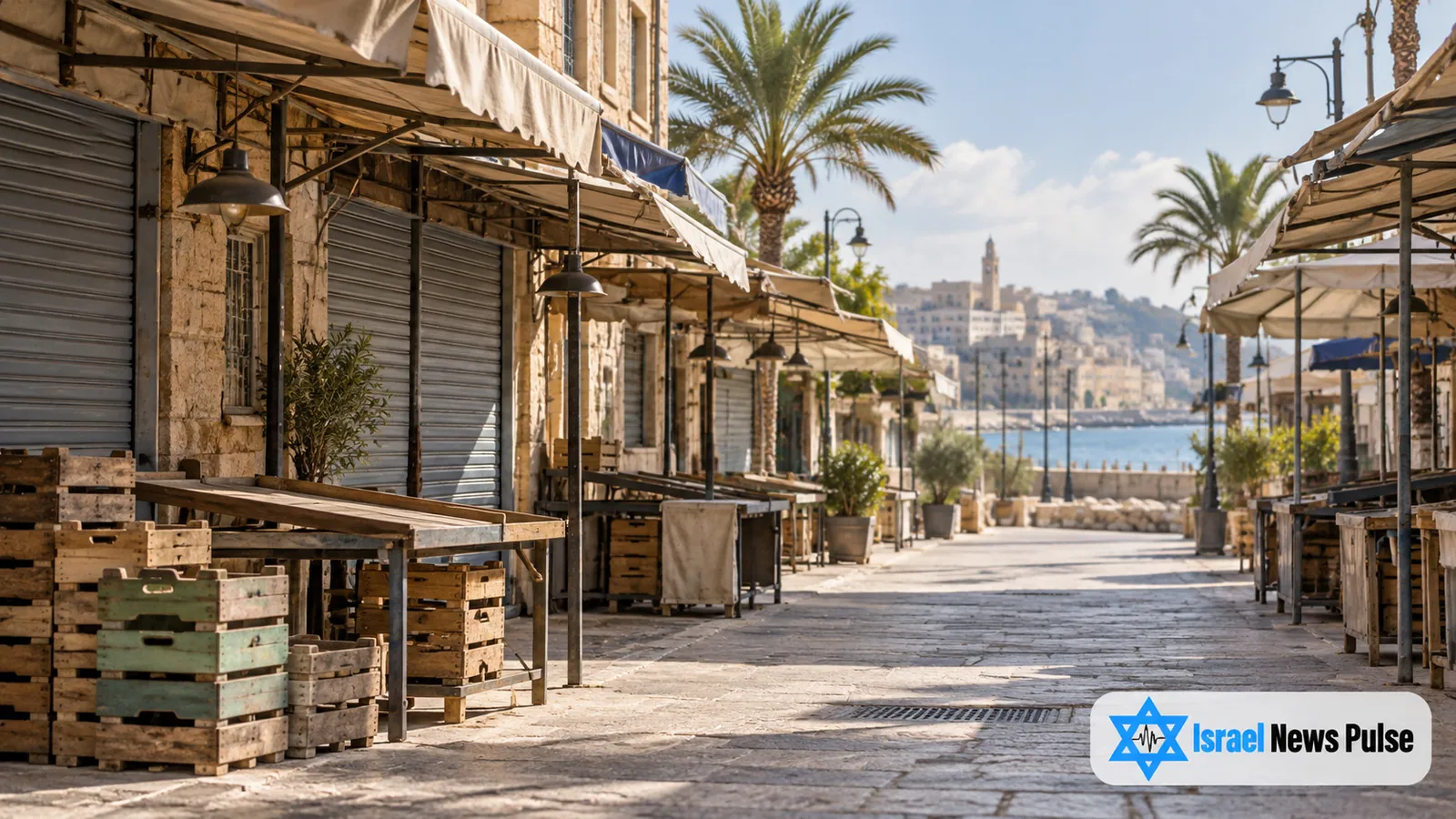
Gaza envoy Nickolay Mladenov condemned Hamas intimidation of merchants on 15 October 2026 and urged protection of civilian supply chains. His intervention followed a halt in commercial deliveries whose cause Israel and Gaza's truckers union dispute.
The immediate argument centres on payments sought from importers and who stopped coordinating their trucks. Israel's Coordinator of Government Activities in the Territories, COGAT, said merchants had withdrawn because of Hamas threats and taxation. Gaza's private truckers union challenged that account.
A demand to end intimidation
Mladenov, the Board of Peace's High Representative for Gaza, said pressure on merchants and interference with supplies worsened civilian suffering. The Times of Israel reported his statement on X, including his call for those practices to end immediately.
He linked the dispute to the wider transition envisaged by the Gaza peace plan: civilian administration, international security support and the decommissioning of weapons. His statement was a demand for implementation, not an announcement that those arrangements had become operational.
The disputed payment mechanism
COGAT described a compulsory charge of approximately 10,000 shekels per truck. Israeli reporting on a letter from its coordinator, Major General Yoram Halevy, said merchants faced threats if they refused to comply.
AP reported a different account from truckers union head Nahed Sheheiber. He said Israel had imposed the restrictions, and described a meeting at which a Gaza economy ministry official characterised the requested payment as a donation for civil servants. The claims about coercion and responsibility for the stoppage remain disputed.
These are commercially imported goods. Their suspension should not be described as proof that every channel of humanitarian aid has stopped. The distinction is essential when assessing what is reaching Gaza's population.
Who the proposed institutions are
The Board of Peace is the international oversight body chaired by US President Donald Trump. A White House statement on 16 January 2026 assigned it responsibility for strategic oversight and mobilising resources under the Gaza plan endorsed by UN Security Council Resolution 2803.
The National Committee for the Administration of Gaza, led by Ali Sha'ath, was assigned the restoration of public services and civilian institutions. Mladenov was appointed to connect the committee with the board and coordinate civilian and security work.
The International Stabilization Force has a separate security role. The same announcement named Major General Jasper Jeffers as its commander and described responsibilities including demilitarisation and safe delivery of aid and reconstruction materials. Those appointments do not, by themselves, demonstrate deployment.
The practical test is supplies
Mladenov's latest intervention places the protection of merchants alongside the protection of humanitarian assistance. A functioning civilian administration needs both goods entering through crossings and distribution that is free from armed coercion after arrival.
Hamas, a terrorist organisation, remains central to that challenge. The immediate questions are whether commercial coordination resumes, whether the disputed payments continue and whether the planned civilian and security bodies can assume their assigned roles. For merchants, the transition will be felt in who controls a shipment and who demands payment for it.