Israel Cuts Gasoline Price to NIS 7.77 as New Tax Reduction Takes Effect
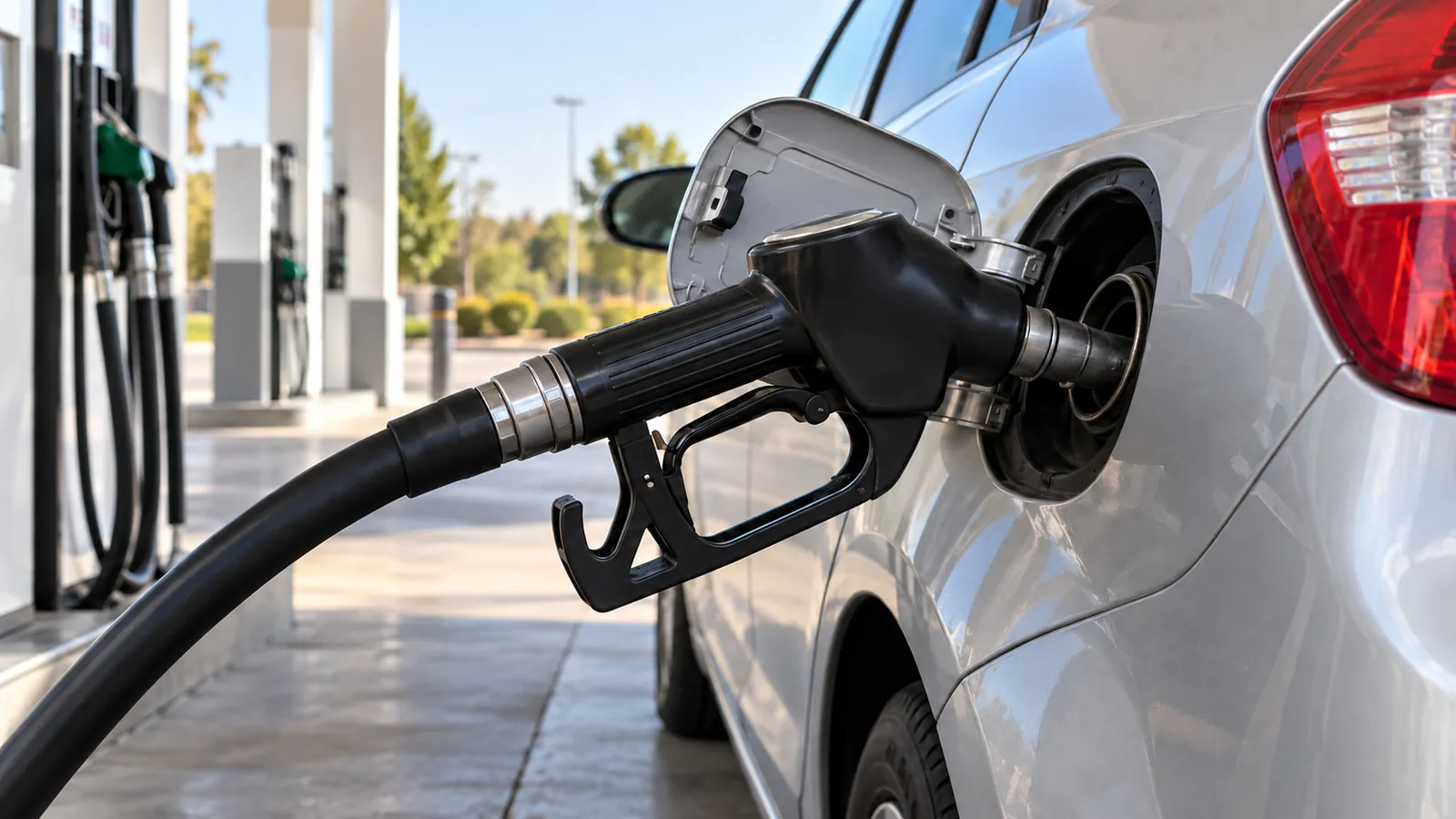
Israel lowered the self-service ceiling for 95-octane gasoline to NIS 7.77 per liter from October 5, providing immediate relief through a further fuel tax reduction.
Israel's maximum self-service price for 95-octane gasoline fell to NIS 7.77 per liter at midnight entering Monday, October 5, under an Energy and Infrastructure Ministry announcement reported by Davar on Sunday.
The cut is 50 agorot per liter, equivalent to half a shekel. It reduces the bill at the pump immediately, but the mechanism is tax relief: it does not establish that the underlying international cost of fuel has fallen.
The prices drivers should see
The ministry's October 4 figures, reported by Davar, set the NIS 7.77 ceiling for unleaded 95-octane gasoline at self-service stations, including VAT. The full service supplement remains 26 agorot per liter, making the corresponding maximum NIS 8.03.
Eilat has separate figures. Davar reported the ministry's VAT-free self-service ceiling there as NIS 6.58 per liter, down 43 agorot, with an unchanged 22-agorot full service supplement. Adding that supplement produces a maximum of NIS 6.80.
These figures describe a regulated maximum, not a requirement that every station charge exactly the same amount. They also describe 95-octane gasoline specifically; the announcement should not be treated as a uniform price list for other fuels.
What half a shekel saves
Using the previous NIS 8.27 price and the new NIS 7.77 price reported by The Jerusalem Post, a 40-liter purchase falls from NIS 330.80 to NIS 310.80. The difference is NIS 20, assuming both purchases are charged at the stated self-service ceilings.
A 50-liter purchase saves NIS 25 on the same basis. These are calculations from the published per liter change, not estimates of an average household's spending or the amount any particular vehicle needs.
The distinction is useful because the benefit depends on consumption. Someone buying fewer liters receives a smaller absolute saving, while a household driving more receives more relief. Neither example assumes that a tank is empty or that a driver buys a fixed amount every week.
Why the government intervened
The Jerusalem Post reported on October 4 that Netanyahu and Finance Minister Bezalel Smotrich agreed to lower the price through an excise tax order. The government presented the measure as protection for Israeli drivers against rising fuel costs abroad, according to the newspaper.
The newspaper cited the Energy Ministry's account of a 13 percent international gasoline price increase amid regional instability and supply disruptions. It also reported that a roughly 3 percent strengthening of the dollar against the shekel contributed to the earlier increase in Israel.
Those pressures explain why a domestic tax decision can lower the posted price without resolving the forces that pushed it up. The immediate benefit is measurable at the pump; whether it lasts depends on later market movements and tax decisions.
Relief for drivers has a fiscal cost
The Times of Israel, citing Kan and Ynet, reported that Finance Ministry officials warned the additional reduction would cost the state NIS 150 million in monthly revenue. That is a reported estimate, not a final accounting of actual receipts.
The newspaper said a previous half shekel excise reduction from September also remained in place through the end of October. It reported that legal advisers had cleared the new measure amid scrutiny of tax relief ahead of the October 27 election.
The fiscal trade off is straightforward: collecting less tax reduces the fuel bill paid by drivers, while leaving the state with less revenue than it would otherwise receive. That makes the duration of the relief relevant to both household budgeting and public finances.
The next scheduled price setting point is the monthly update for November, following the end of October's temporary relief arrangements. The November price is not established by Sunday's announcement. For now, motorists can compare their 95-octane receipt with the new ceiling and the applicable service supplement.