Azerbaijan's School Headscarf Restrictions Spark Protests and Dispute With Turkey
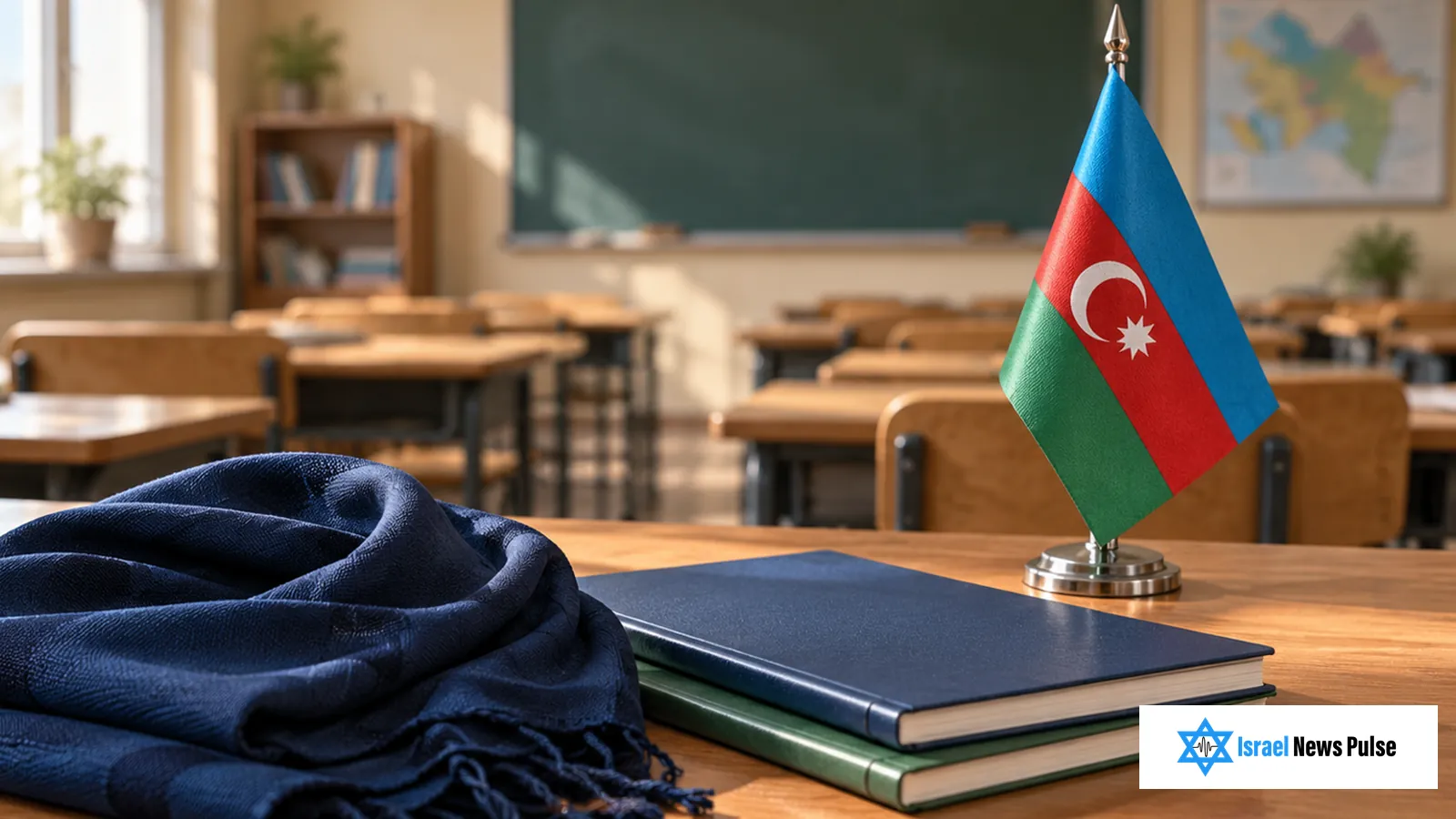
School dress rules have led to girls and teachers being excluded from classrooms in Azerbaijan, triggering boycotts, dozens of reported detentions and a political dispute with the country's close ally, Turkey.
Azerbaijan's restrictions on Islamic headscarves in state schools have brought its secular education policy into conflict with families demanding access to classrooms. The government says uniform requirements protect equality, while affected parents and teachers say their enforcement forces a choice between religious dress and education or employment.
The dispute has also crossed borders. Criticism from Turkish political figures prompted Azerbaijan's governing New Azerbaijan Party, known as YAP, to accuse them of interfering in the country's domestic affairs.
Rules Do Not Explicitly Name the Hijab
The Cabinet of Ministers amended school uniform regulations on September 21, prohibiting additional clothing that conflicts with prescribed uniforms or the secular character of general education. Separate requirements for teachers followed on October 6.
Neither measure explicitly names the hijab. However, schools have applied the restrictions to Islamic headscarves, with widespread reports of exclusions from October 12. The student regulations also make parents responsible for ensuring compliance and assign school pedagogical councils responsibility for resolving uniform issues.
Students Boycott Lessons as Teachers Challenge Exclusion
Parents in Baku and other areas have reported that girls were instructed to remove their headscarves or were refused admission. Some students boycotted lessons in response, according to RFE/RL.
Gulmira Aslanova, a parent in Baku, told the broadcaster that her daughter's school had instructed her to send the girl without a headscarf. Parents in the southern town of Jalilabad reported similar experiences.
Teachers have also challenged their exclusion. Caucasian Knot reported on October 14 that some continued arriving for work but were prevented from teaching. An activist interviewed by the outlet said teachers refusing to remove their hijabs had been asked to submit resignation letters, while some demanded written explanations for being barred from classes.
Interior Ministry Reports 37 Detentions
The Interior Ministry announced on October 12 that 37 people had been detained in Baku over public order disturbances linked to opposition to the rules.
Amnesty International subsequently reported that the protests included both peaceful demonstrations and incidents involving violence. It urged authorities to distinguish between criminal conduct and peaceful opposition, and to release people held solely for exercising their rights. The organization said the number remaining in custody was unclear.
Turkish Criticism Draws a Sharp Response
Oktay Saral, then an adviser to Turkish President Recep Tayyip Erdogan, criticized the restrictions on October 12 and called for their reversal.
"We expect Azerbaijan to reverse this mistake as soon as possible," he wrote on X, according to Reuters.
YAP responded the following day, describing comments by Saral and lawmakers from Turkey's ruling party as irresponsible. It argued that Azerbaijan's education rules reflected secularism, equality and the rule of law, and said close relations did not give Turkish politicians authority over Azerbaijani domestic policy.
The party also rejected criticism of Azerbaijan's relationship with Israel, defending those ties as based on international law and mutual interests.
The tension remained visible on October 30, when President Ilham Aliyev did not attend a regional summit in Ankara. Azerbaijani media attributed his absence to prior commitments, while the Associated Press reported that it fueled speculation about relations between the allies.
Secular Education and Religious Freedom
Azerbaijan is a predominantly Muslim country whose constitution establishes a secular state while also protecting religious freedom. Supporters of the restrictions say common dress requirements help preserve a neutral school environment.
Human Rights Watch challenged that justification in an October 27 statement, arguing that excluding girls because they wear headscarves interferes with education and religious freedom. It called for students and teachers wearing hijabs to be allowed into schools.