Jordan's Syria Strikes Kill Civilians. Who Will Demand Answers?
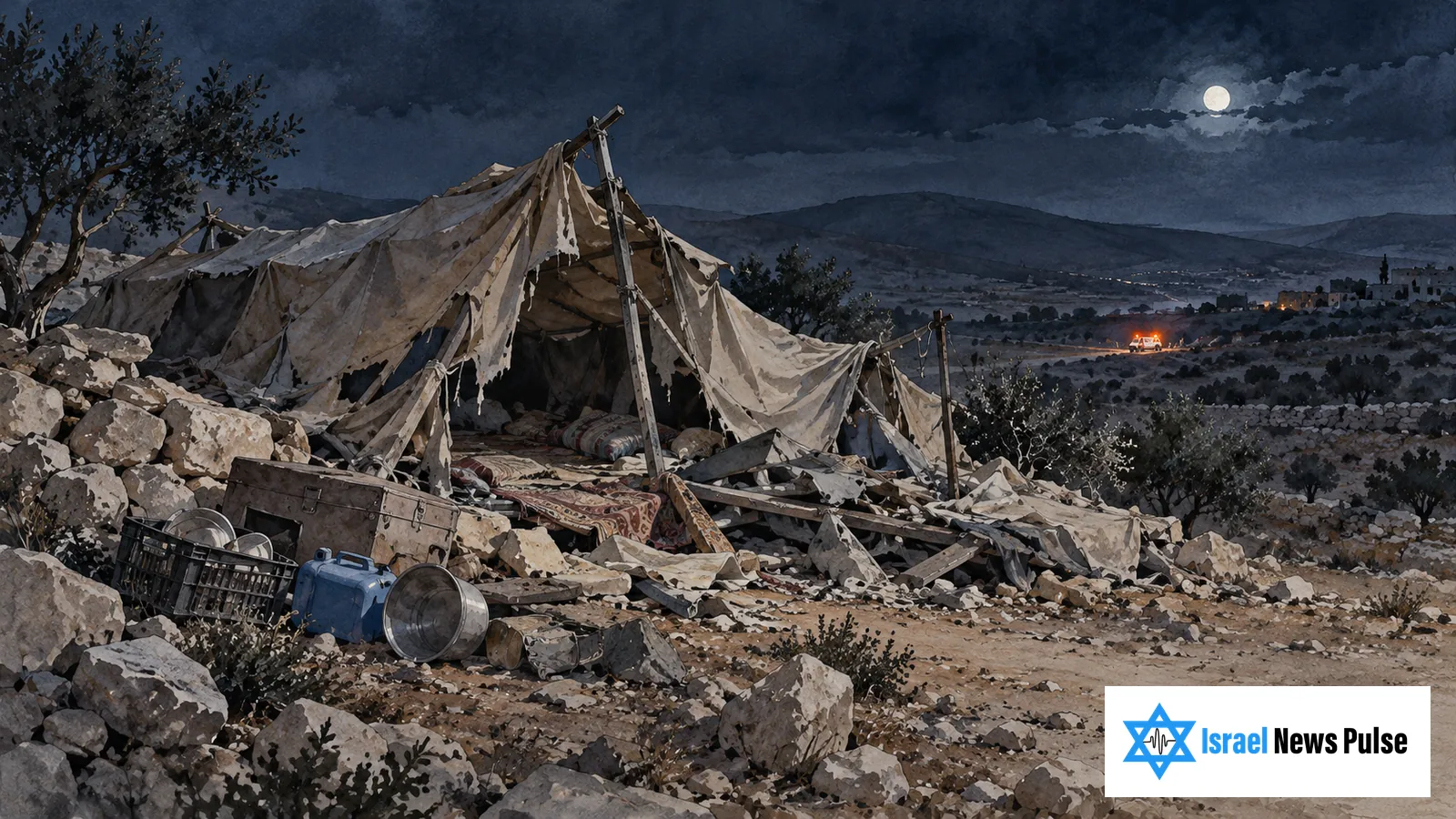
Children were among seven people killed in Jordanian airstrikes, Syrian authorities said. Damascus denied approving the operation, contradicting Jordan's military account and leaving urgent questions about the targets and the civilian toll.
Jordan presented its airstrikes in southern Syria as retaliation against terrorists linked to the deadly attack on a church in Karak. Syrian officials described a different result: dead children, a woman and older men, with a family shelter among the locations hit.
The strikes took place on Monday evening, October 26. By Tuesday, the dispute extended beyond the identity of the dead. Jordan's military said the operation had been coordinated with Damascus. Syria's government said it had received neither advance coordination nor notification.
Daraa's health director, Khaled al-Amian, told the Syrian state news agency SANA that seven people had been killed: three children, a woman and three men, including an elderly man. Three others were injured. Other circulating reports gave different totals; seven is the figure in that official statement, and the authorities said the final toll remained under examination.
A family's shelter, and the account from the ground
A SANA video from the scene brings the aftermath into view. Ambulances stand in the darkness, emergency workers move through a damaged site, and household belongings lie among the rubble. The report includes interviews with residents and identifies the location as Al-Tuff, in Daraa province.
One resident interviewed by SANA says the family had neither weapons nor drugs and asks why the shelter was hit. A second interviewee calls for the Syrian government to investigate urgently. These are residents' accounts, rather than independent findings about the targeting, but they put a specific demand for answers alongside the official statements.
Syrian Civil Defence said five members of one family, including three children and a woman, were killed when a strike hit a tent in rural Daraa. It also reported two men killed at other locations. Those separate sites matter: the available accounts do not place every person killed inside the same shelter.
The images establish what the camera recorded after the attack. They do not independently establish the intelligence behind the targeting or identify everyone who may have been present. Yet a military claim that terrorists were hit cannot, by itself, explain the deaths reported by health officials and rescue teams.
That is the immediate question for Jordan: what was the intended target at each location, and how did a family living in a shelter become part of the casualty toll?
Jordan claimed coordination. Damascus denied it.
The Jordanian armed forces named the operation "Jordanian Deterrence - Hmoud." Their statement, published by the Jordan News Agency Petra, linked the targets to the men who attacked mourners at a Greek Orthodox church in Karak on October 23.
The military said its aircraft destroyed sites and vehicles used by terrorist organizations and killed or wounded members of those groups. It also explicitly said the operation was conducted in coordination with the Syrian government.
Damascus rejected that account. In its initial statement, the Syrian government said the operation had not been coordinated in advance and announced an investigation. Its Foreign Ministry said it had conveyed its objections to Amman and opened discussions about the consequences.
On October 27, the ministry went further, condemning the strikes and the breach of Syrian airspace. It also announced work toward an urgent joint security and field committee with Jordan. Contacts established after an attack do not resolve the disagreement over whether permission or coordination existed before it.
A church attack does not answer the civilian question
Nine people were killed in the Karak church attack, according to the subsequent Jordanian account carried by Reuters. Jordanian authorities said they arrested three suspects, two brothers and their brother-in-law, following a shootout on Monday.
On Tuesday, Jordan said its strikes in Syria had killed more than 20 Islamic State terrorists. Government spokesperson Mohammed al-Momani also expressed regret over civilian casualties. That acknowledgment is significant: the civilian deaths can no longer be presented merely as a Syrian accusation that Jordan has ignored.
The two governments' statements still leave substantial gaps. A claim about terrorists killed across an operation does not identify the people at each strike site. Nor does the horror of the church attack settle whether the intelligence used for the retaliatory strikes was accurate.
The victims of the church shooting deserve justice. The Syrian families deserve a specific explanation of why their homes or shelter were hit. Treating those demands as incompatible would leave both investigations poorer.
Will the scrutiny follow the victims?
Syria has condemned the strikes, so it would be inaccurate to claim that nobody has spoken out. The wider question is whether the reported civilian deaths will receive sustained scrutiny beyond statements exchanged between two governments.
For an Israeli readership, there is also a question of consistency: will governments, campaigners and international institutions that demand answers when Israel uses force apply the same scrutiny to Jordan's operation?
That is a demand for a common standard, not a finding that the reactions are already identical or different. Nor does this reporting establish a basis for describing the strike as "genocide." Serious accusations require evidence; civilian deaths require investigation without waiting for a political slogan.
The record needs names, a reconciled casualty count, an explanation of the targeting and a clear account of the claimed coordination. Responsibility should follow the evidence about this Jordanian operation. Redirecting the argument toward Israel would answer none of those questions.